
Why Does Embryo Transfer Fail?
Causes of Failure and Possible Solutions**
Embryo transfer is one of the most critical and delicate stages of IVF (In Vitro Fertilization) treatment. This procedure, performed by placing the embryo fertilized in a laboratory environment into the uterus, represents the final step required for pregnancy to begin.
However, even when the entire process progresses as planned, high-quality embryos are obtained, and the transfer is technically successful, implantation may still fail and pregnancy may not occur. For couples, this situation is not only medically challenging but also emotionally exhausting.
At Envivo IVF Consultancy, we evaluate the causes of failed embryo transfer not superficially, but through a multidimensional and scientifically grounded approach. Our goal is to analyze each patient’s process in light of scientific data and develop a personalized solution strategy.
What Is Embryo Transfer?
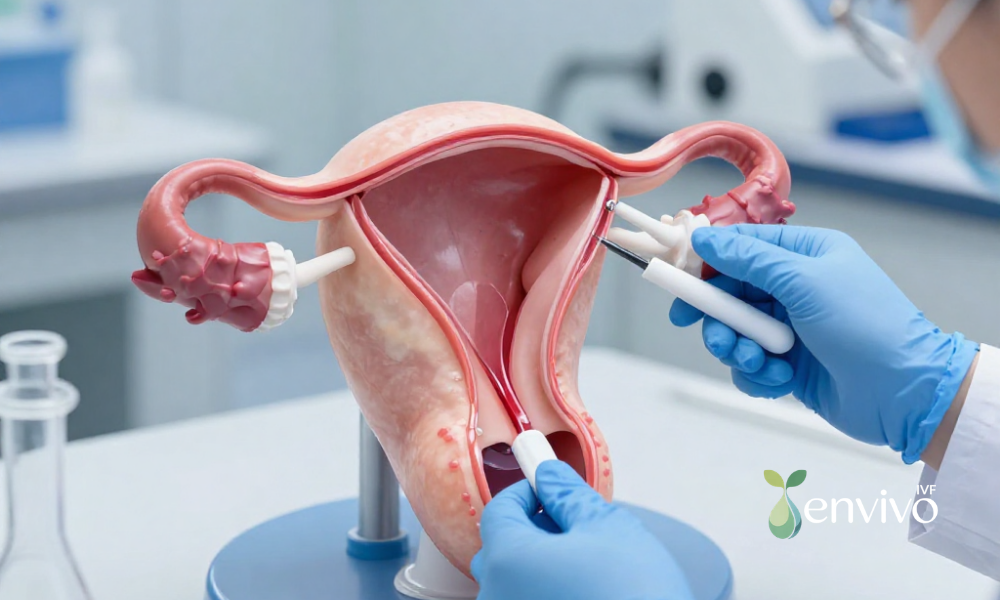
Embryo transfer is the procedure of placing a fertilized embryo into the uterus using a specialized catheter. It is generally performed on:
- Day 3 after fertilization (cleavage stage) or
- Day 5 (blastocyst stage)
Although technically brief, this stage is one of the most decisive steps for achieving pregnancy. After transfer, the embryo must successfully attach to the uterine lining — a process known as implantation.
The transfer procedure alone does not guarantee success. The determining factor is the biological compatibility between the embryo and the uterus.
Why Does the Embryo Fail to Implant?
There is rarely a single reason behind unsuccessful embryo transfer. In most cases, multiple factors contribute simultaneously.
These factors are generally associated with:
- Embryo quality
- Uterine environment
- Hormonal balance
- Immune system factors
- Genetic structure
- Lifestyle-related influences
In cases of failure, the important step is not to define the process as “bad luck,” but to investigate the underlying causes systematically.
1. Embryo Quality
Embryo quality is one of the most important factors directly affecting pregnancy success.
Embryos that are genetically abnormal or develop slowly are less likely to implant successfully.
However, there is a critical point to remember:
An embryo that appears morphologically high-quality may not necessarily be genetically healthy.
For this reason, the process should include:
- Detailed evaluation of embryo development dynamics
- Consideration of Preimplantation Genetic Testing (PGT) when necessary
- Planning the transfer strategy according to embryo characteristics
At Envivo IVF, we guide our patients toward the appropriate clinics and laboratory technologies while supporting a scientifically informed embryo selection process.
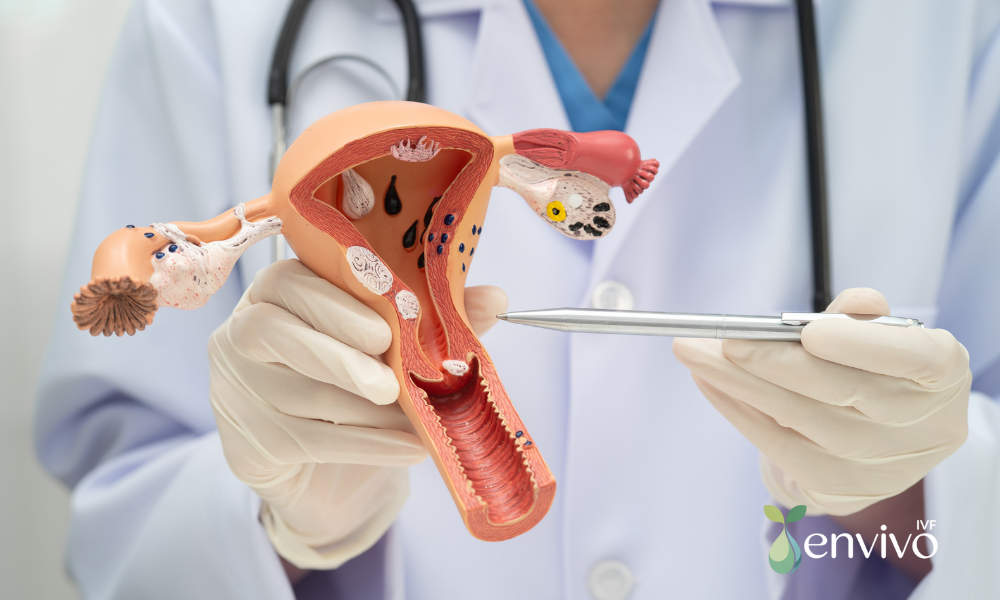
2. Uterine (Endometrial) Factors
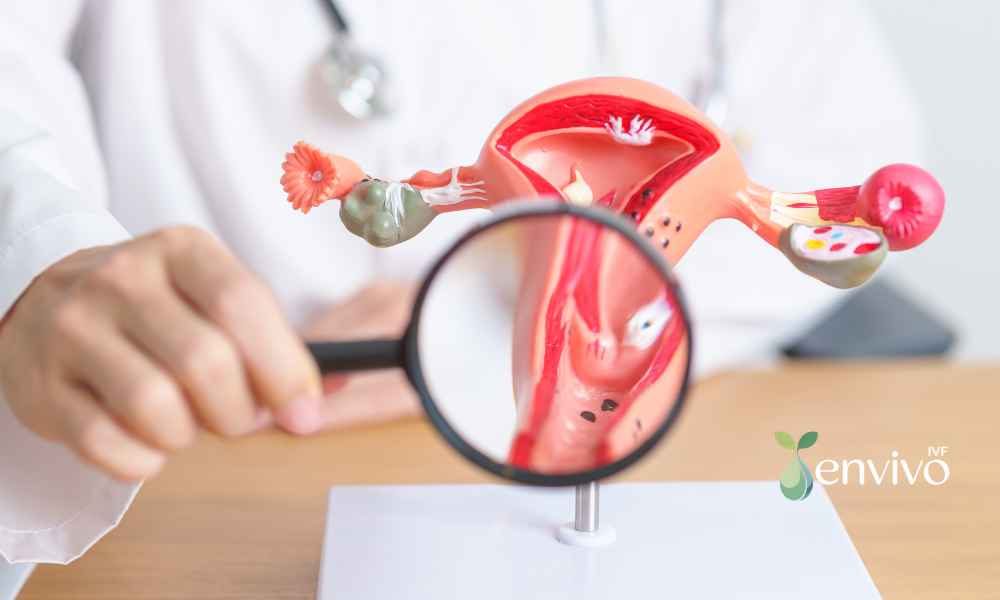
For implantation to occur, the uterine lining (endometrium) must have adequate thickness, healthy blood flow, and appropriate structure.
The following conditions may negatively affect implantation:
- Thin endometrium
- Uterine polyps or fibroids
- Intrauterine adhesions
- Chronic endometritis (inflammation of the uterine lining)
- An unsuitable implantation window
No matter how high the embryo quality may be, pregnancy may not occur without a receptive uterine environment.
During our consultancy process, we strongly recommend detailed uterine evaluation before transfer and provide guidance regarding advanced diagnostic assessments when needed.
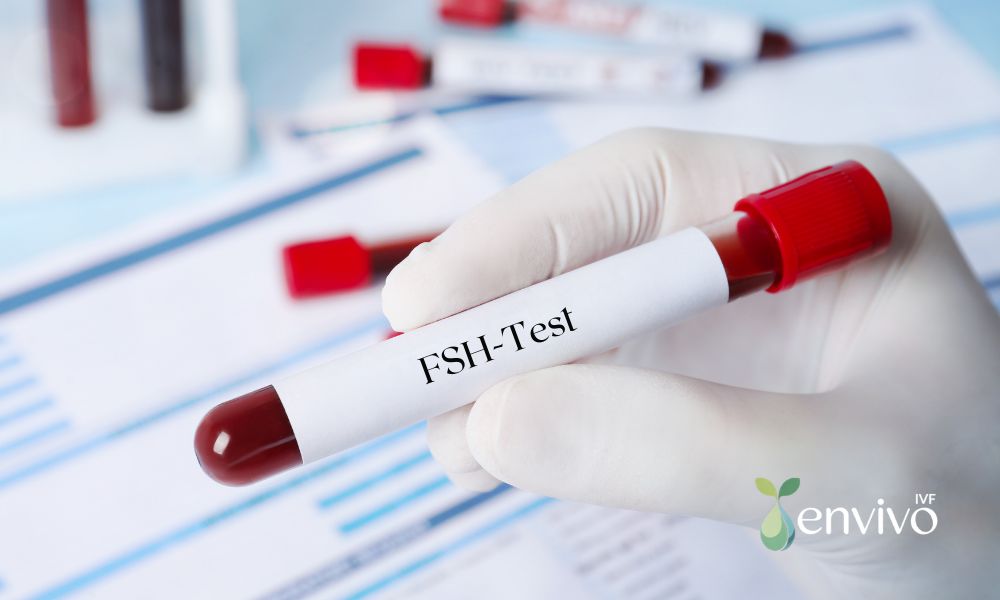
3. Hormonal Imbalances
Progesterone and estrogen hormones play a critical role in preparing the uterine lining to receive the embryo.
Even subtle hormonal imbalances may affect implantation timing.
In particular, insufficient progesterone levels on transfer day may significantly reduce implantation potential.
For this reason:
- Hormone levels should be monitored carefully before transfer
- Medication dosages should be individualized
- Transfer timing should be planned according to the patient’s hormonal profile
Our consultancy approach prioritizes personalized hormonal planning rather than standard protocols.
4. Immune System Factors
In some cases, the immune system may perceive the embryo as a foreign structure and interfere with implantation.
Especially in patients with recurrent implantation failure, immunological factors should be evaluated more comprehensively.
When necessary, the following may be considered:
- Immunological testing
- Clotting factor analysis
- Immune-modulating approaches
In recurrent failures, overlooking these factors may result in incomplete evaluation.
5. Genetic Factors
Genetic abnormalities originating from either the female or male partner may affect embryo development and implantation potential.
Genetically abnormal embryos may lead to:
- Implantation failure
- Early miscarriage
For this reason, genetic screening methods such as PGT may be considered in selected cases.
However, this decision should always be individualized according to each patient’s specific circumstances.
At Envivo IVF, recommendations regarding genetic evaluation are made according to scientific criteria and patient-specific analysis.
6. Lifestyle and Environmental Factors
Lifestyle-related factors may also directly influence embryo transfer success.
These include:
- Smoking and alcohol consumption
- Chronic stress
- Poor sleep quality
- Inadequate nutrition
- Excessive or insufficient body weight
Stress, especially during the post-transfer period, may negatively affect hormonal balance.
For this reason, the process should be supported not only medically but also psychologically.
Envivo IVF Consultancy provides guidance regarding stress management, nutritional planning, and lifestyle optimization throughout the treatment journey.
What Should Be Done After Repeated Failed Transfers?
When multiple transfer failures occur, repeating the same process without deeper investigation may not be the most effective approach.
At this stage, the following evaluations may be considered:
- Endometrial biopsy and advanced uterine analysis
- Immunological testing
- Genetic evaluation
- Reassessment of hormonal protocols
- Optimization of transfer timing
Focusing solely on embryo quality without conducting a comprehensive evaluation may lead to incomplete conclusions.
At Envivo IVF, we approach every treatment attempt as a unique process requiring a new strategy. Instead of repeating the same plan, we focus on cause-and-effect analysis to develop a personalized roadmap.
The Envivo IVF Consultancy Approach
Our role is to:
- Ensure accurate interpretation of medical data
- Guide patients toward the most appropriate clinics and specialists
- Manage the process transparently and systematically
- Help patients make informed decisions at every stage
We evaluate success not only as a “positive pregnancy test,” but as a scientifically planned and strategically managed process.
In many cases, failed embryo implantation is not a definitive failure — it may simply indicate that the underlying cause has not yet been clearly identified.
With accurate analysis, patience, and individualized planning, implantation success may be significantly improved.
Every embryo represents a potential. The key is bringing that potential together with the right environment and the right strategy.
Envivo IVF Consultancy continues to support patients throughout their fertility journey through scientific guidance, strategic planning, and a patient-centered approach.
With science.
With transparency.
With realistic hope.