What Is FSH? Its Importance in Female and Male Reproductive Health
Why Is FSH So Important?
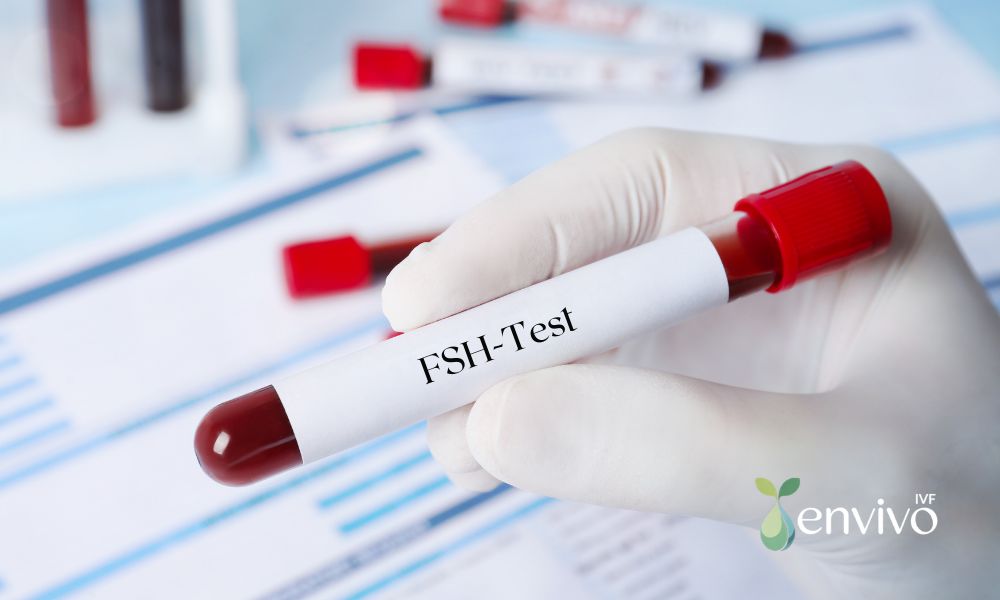
For many people planning to have a child, one of the first blood tests performed is the FSH test. However, these three letters on a test result sheet can often be confusing.
Questions such as “My FSH level is high—what does this mean?”, “Has my ovarian reserve decreased?”, or “Will it be difficult for me to get pregnant?” are very common.
In reproductive health evaluation, the FSH test is an important indicator that helps doctors understand how the reproductive system is functioning. However, it is not sufficient on its own; it must be interpreted together with age, other hormone levels, and overall health status.
Understanding what FSH is, its role in female and male reproductive health, and what the test results mean can help individuals manage the process more consciously and calmly.
What Is FSH and Where Is It Produced?
FSH, or Follicle-Stimulating Hormone, is a hormone secreted by the anterior lobe of the pituitary gland in the brain.
This hormone plays a key role in communication between the brain and the ovaries or testes, ensuring the proper functioning of the reproductive system.
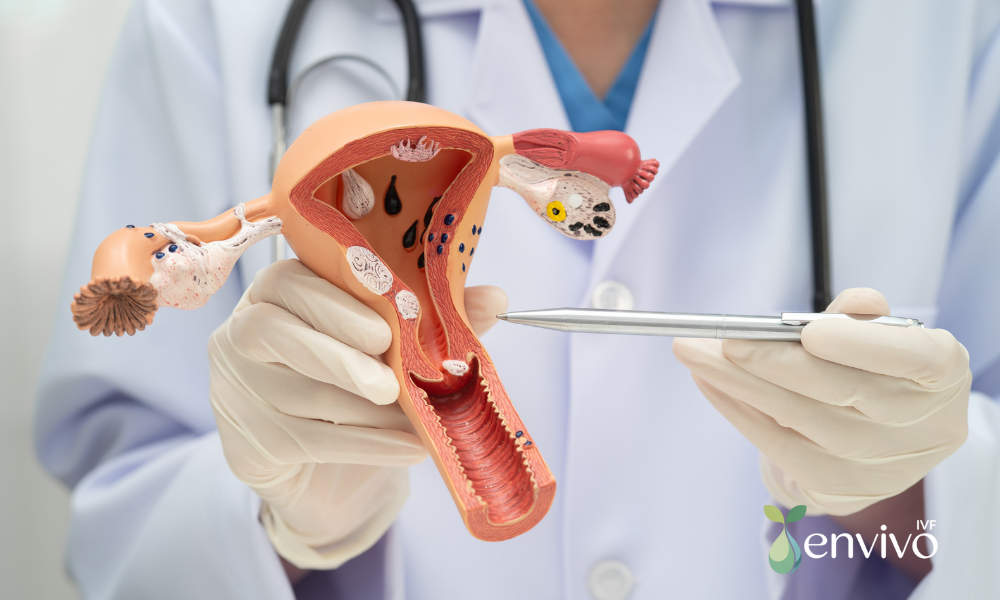
In women: It stimulates the growth and maturation of ovarian follicles.
In men: It supports sperm production (spermatogenesis) in the testes.
For this reason, FSH levels are an important parameter in evaluating fertility in both women and men.
Role of FSH in Women
In women, FSH is primarily active during the first half of the menstrual cycle (the follicular phase).
It stimulates the growth of follicles in the ovaries.
The developing follicle produces estrogen.
As estrogen levels rise, FSH decreases, and the ovulation process begins.
In other words, FSH is the “initial signal” that triggers ovulation each month.
Role of FSH in Men
In men, FSH stimulates Sertoli cells in the testes to initiate sperm production.
It supports the maturation of sperm cells.
It contributes to the regulation of testicular function.
Low FSH levels may lead to reduced sperm count and quality.
What Do FSH Levels Mean?
In Women
FSH levels provide insight into ovarian reserve.
Low FSH: Ovarian reserve is generally good
High FSH: Ovarian reserve may be reduced
Normal FSH levels (measured on day 2 or 3 of the menstrual cycle):
3–9 mIU/mL: Normal
10–12 mIU/mL: Borderline
13 mIU/mL and above: May indicate low ovarian reserve
In Men
Normal FSH level: 1–10 mIU/mL
High FSH: May indicate decreased testicular function or impaired sperm production
Low FSH: May indicate insufficient hormone secretion from the pituitary gland
Factors Affecting FSH Levels
Age: FSH levels naturally increase with age in women
Stress: Can disrupt hormonal balance and affect FSH levels
Weight: Both obesity and low body mass index can alter hormone balance
Smoking: May increase FSH by reducing ovarian reserve
Medications: Birth control pills or hormone therapies can affect FSH measurements
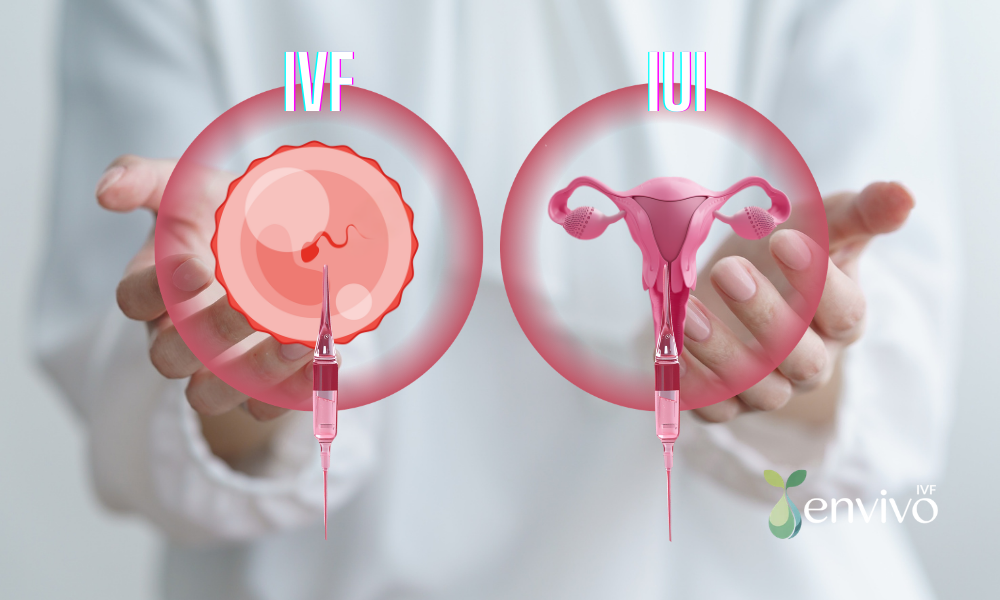
FSH and IVF Treatment
In IVF treatment, FSH levels are used to predict how the ovaries will respond to stimulation medications.
High FSH: Indicates that the ovaries may respond less effectively
Low FSH: Generally indicates good ovarian reserve
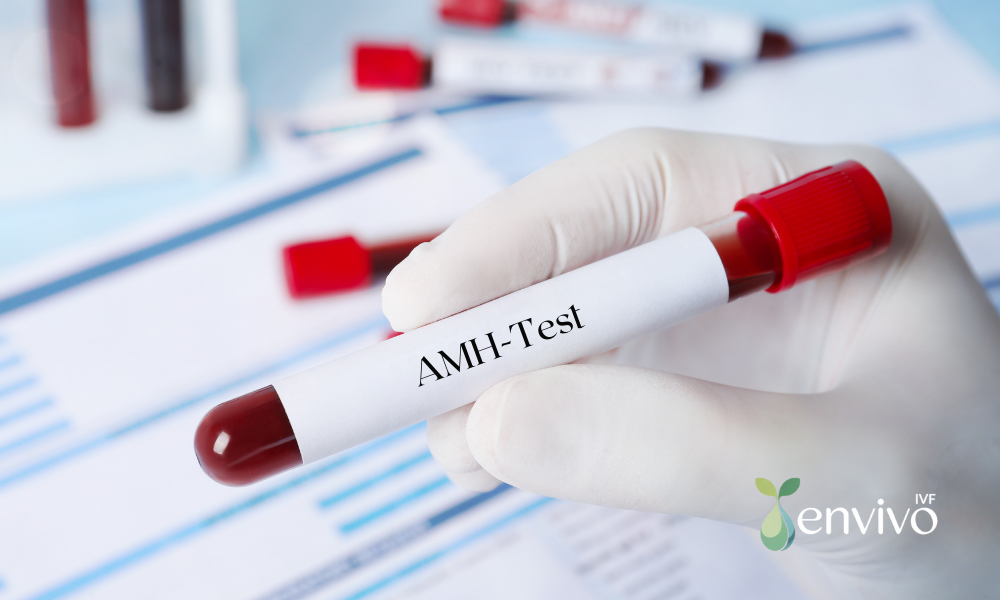
Doctors evaluate FSH together with AMH (Anti-Müllerian Hormone) and E2 (Estradiol). This combination provides a more accurate assessment of ovarian capacity.
Recommendations to Support Healthy FSH Levels
Balanced nutrition (especially antioxidant-rich foods)
Regular exercise
Avoiding smoking and alcohol
Maintaining good sleep habits
Stress management (meditation, breathing exercises)
These lifestyle changes help maintain hormonal balance and support reproductive health.
Conclusion
FSH is one of the fundamental components of reproductive health.
It ensures the proper functioning of the ovaries in women and the testes in men.
When planning IVF treatment, FSH levels are a critical indicator in predicting the chances of success.
With accurate analysis, the right center, and proper planning, the fertility journey can become more secure and more predictable.