
Can You Get Pregnant at 40? A Comprehensive Guide with Facts, Chances, and Expert Insights
Pregnancy at 40 Is No Longer Impossible
In the past, age 40 was considered “too late” for pregnancy. However, advancements in modern medicine—especially IVF (in vitro fertilization) treatments—now show that women aged 40 and above can achieve healthy pregnancies.
Many women who ask this question may feel anxious and uncertain, believing that time is no longer on their side.
Nevertheless, women planning pregnancy at this age should clearly understand both the biological realities and the available treatment options.
It Possible to Get Pregnant at 40?
Yes, it is possible. However, the chances of pregnancy decrease significantly compared to the 30s.
Female fertility is directly related to egg quantity and quality. Around the age of 40, both naturally begin to decline.
Average Chances of Pregnancy
Natural conception: Approximately 5% chance per month at age 40
With IVF: Success rates can reach 20–25%
With donor eggs (available abroad): Around 50–60% success
In other words, pregnancy at 40 is possible, but it requires proper planning and medical support.
Factors Affecting Pregnancy at Age 40
1. Ovarian Reserve
Women are born with a fixed number of eggs.
This reserve decreases over time, and by age 40, both quantity and quality are reduced.
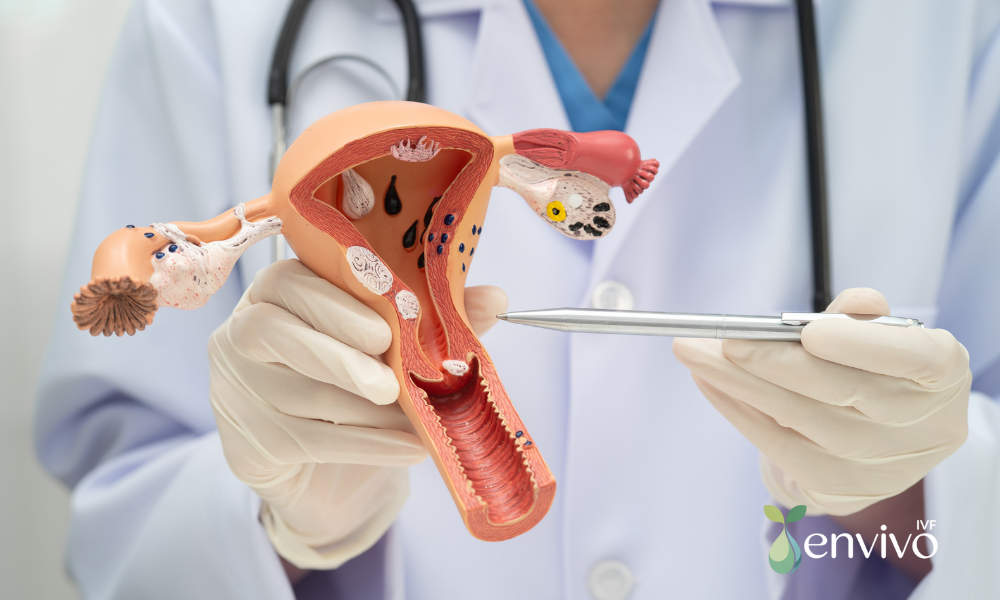
AMH (Anti-Müllerian Hormone) test indicates ovarian reserve
FSH (Follicle-Stimulating Hormone) test measures ovarian responsiveness
2. Egg Quality
As age increases, the risk of chromosomal abnormalities in eggs rises.
This may reduce the chances of pregnancy and increase the risk of miscarriage.
3. Uterine Health
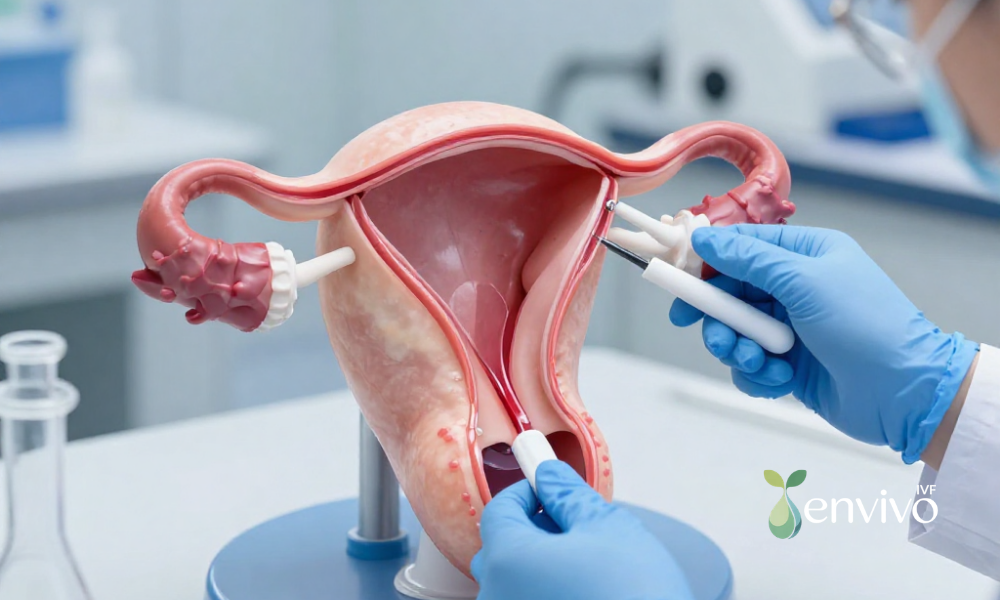
The thickness and structure of the uterine lining (endometrium) are critical for embryo implantation.
After age 40, uterine blood flow may decrease, but this can often be supported with medication.
4. General Health Status
Chronic conditions such as hypertension, diabetes, and thyroid disorders may affect pregnancy.
Therefore, a comprehensive health evaluation before pregnancy is essential.
Methods to Achieve Pregnancy at 40
1. Natural Conception
If ovulation is regular and the fallopian tubes are open, natural conception is possible.
However, if pregnancy does not occur after 6 months of regular attempts, medical consultation is recommended without delay.
2. Ovulation Tracking and Supportive Treatments
Ovulation can be monitored through ultrasound and hormone tests.
Medications such as clomiphene citrate or letrozole may be used if needed.
3. IVF (In Vitro Fertilization)
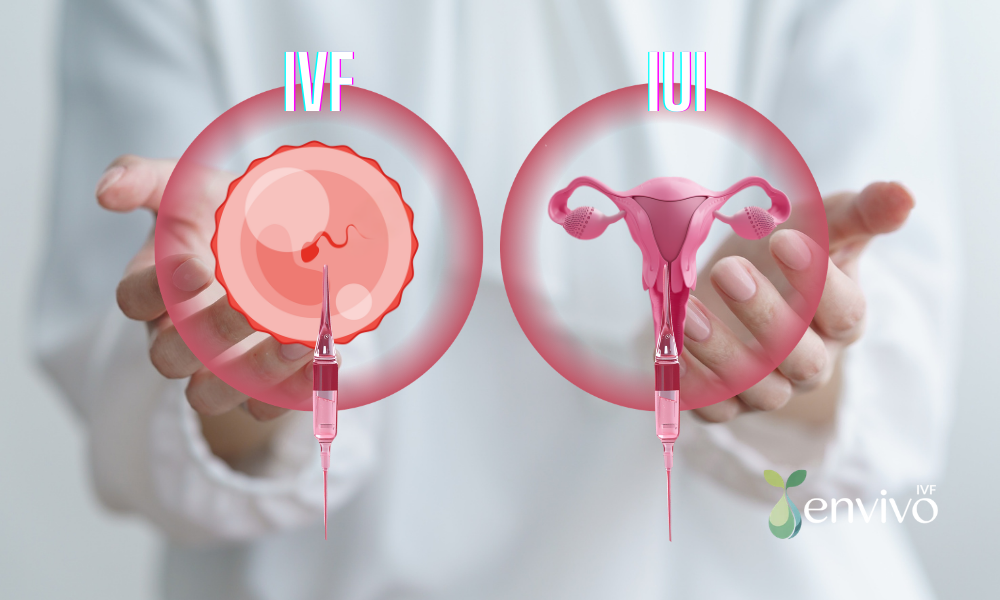
IVF is the most effective method for women over 40.
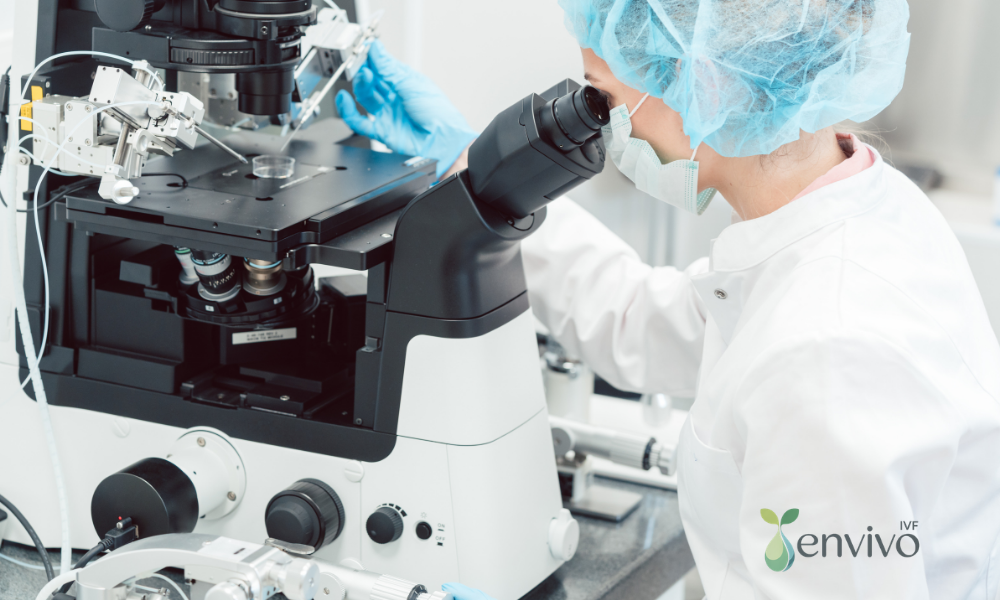
Eggs are stimulated with medication, retrieved, and fertilized in a laboratory
The highest-quality embryo is selected and transferred into the uterus
Success rates are approximately 20–25%, depending on egg quality and uterine health.
4. Preimplantation Genetic Testing (PGT)
PGT detects genetic abnormalities in embryos.
This allows only healthy embryos to be transferred, reducing miscarriage risk.
5. Egg Freezing (Fertility Preservation)
If eggs were frozen at a younger age, the chances of pregnancy are higher because egg quality reflects the age at which they were retrieved.
What to Consider During Pregnancy at 40
1. Miscarriage Risk
The risk of miscarriage at age 40 is approximately 30–40%.
This is often due to chromosomal abnormalities.
2. Medical Monitoring During Pregnancy
Blood pressure and blood sugar levels should be monitored regularly
Thyroid function should be evaluated
Genetic counseling may be recommended when necessary
3. Healthy Lifestyle
Smoking and alcohol should be completely avoided
Balanced nutrition, regular exercise, and adequate sleep are essential
Stress management positively affects hormonal balance
How to Increase Pregnancy Chances at 40
Assess ovarian reserve with AMH and FSH tests
Choose clinics that offer personalized IVF protocols
Consider advanced technologies such as embryo freezing and genetic testing
Supplements such as vitamin D, Coenzyme Q10, omega-3, and folic acid may be supportive
Psychological support is important for maintaining motivation during long treatment processes
Conclusion
Getting pregnant at 40 is possible, but it requires careful planning and professional support.
Although natural conception chances decrease, modern reproductive technologies allow many women to achieve healthy pregnancies at this age.
At Envivo IVF, we aim to achieve the highest success rates by thoroughly analyzing ovarian reserve, hormonal balance, and uterine health in women aged 40 and above, and by creating personalized treatment plans.
We also support our patients through consultancy services in the Turkish Republic of Northern Cyprus (TRNC), guiding them throughout the fertility journey.