PCOS and Pregnancy: Causes, Treatment Options, and the Right Approach to Fertility
Polycystic Ovary Syndrome (PCOS) is one of the most common hormonal imbalances that can affect female fertility. For many women diagnosed with PCOS, the first questions are often the same:
“Can I get pregnant?”
“Does PCOS prevent pregnancy?”
“Will I need IVF treatment?”
Today, PCOS is a condition that can be effectively managed with proper evaluation and appropriate treatment planning. Many women with PCOS can achieve a healthy pregnancy, either naturally or with the help of assisted reproductive techniques.
At Envivo IVF, our approach is to help individuals diagnosed with PCOS better understand their condition and to guide them toward the right clinics and specialists when needed. Our goal is to simplify the process through accurate information and support individuals in evaluating the most suitable options for themselves.
What Is PCOS?
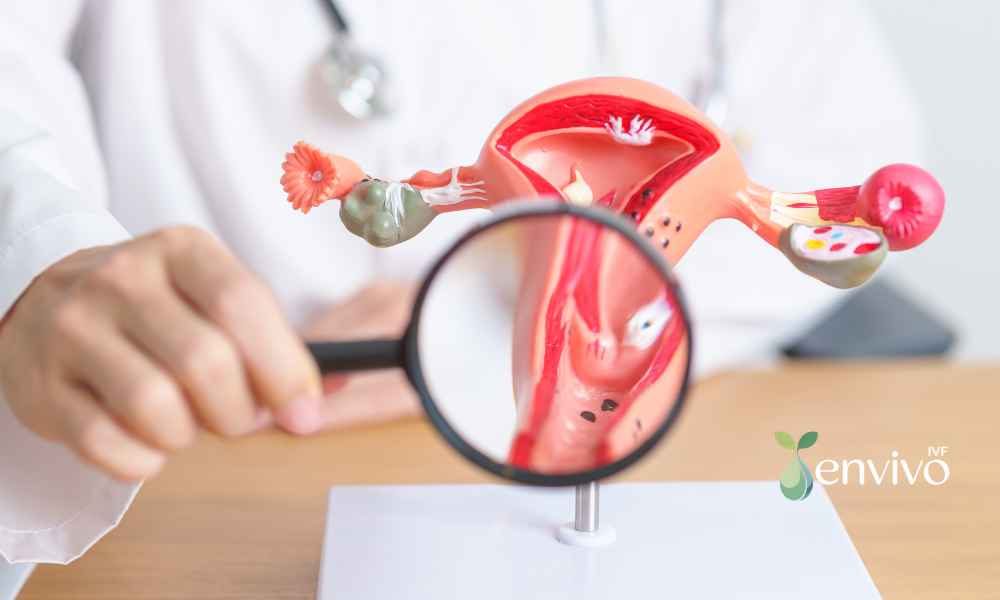
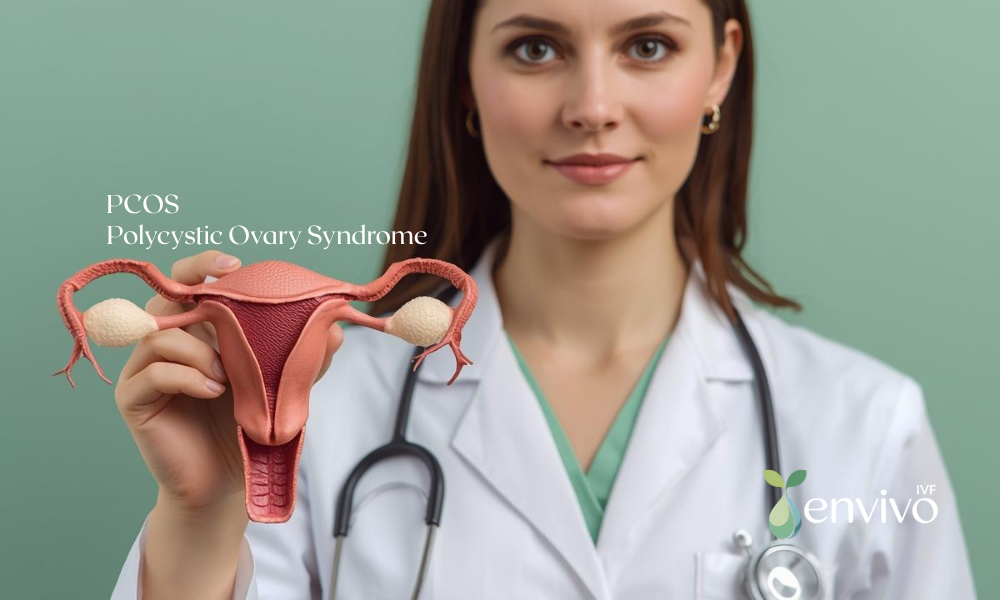
Polycystic Ovary Syndrome (PCOS) is a condition characterized by hormonal imbalance and the presence of a higher number of small follicles in the ovaries than usual. This can particularly affect ovulation, leading to irregular menstrual cycles and, in some cases, fertility challenges.
It is estimated to affect approximately 8–10% of women of reproductive age. However, PCOS is not only a gynecological condition—it can also have metabolic effects.
The main mechanisms thought to play a role in PCOS include:
Genetic predisposition
Insulin resistance
Elevated androgen (male hormone) levels
Hormonal imbalance
When these factors are considered together, it becomes clear that managing PCOS requires not only medical treatment but also lifestyle adjustments.
What Are the Symptoms of PCOS?
PCOS can present differently from person to person. While some women experience clear symptoms, others may only be diagnosed during fertility evaluations.
Common symptoms include:
Irregular menstrual cycles (infrequent periods, long cycles, or absence of menstruation)
Ovulation problems
Oily skin and acne
Excess hair growth on the face and body
Hair thinning or hair loss
Weight gain or difficulty losing weight
Insulin resistance
These symptoms alone do not necessarily confirm PCOS. However, if multiple symptoms are present, evaluation by a specialist is recommended.
Does PCOS Prevent Pregnancy?
A PCOS diagnosis does not mean that pregnancy is impossible. However, due to irregular ovulation, conception may take longer in some cases.
In women with PCOS:
Ovulation may not occur regularly
Egg development may be affected by hormonal imbalances
Implantation may be more challenging in some cases
Despite this, many women with PCOS can achieve pregnancy with proper evaluation and treatment planning.
The key is to assess all relevant factors together, including age, ovarian reserve, metabolic condition, and male partner factors.
How PCOS Affects Fertility
PCOS impacts fertility through several main mechanisms:
Ovulation Disorders
Irregular ovulation can make conception more difficult.
Hormonal Imbalance
High androgen levels can negatively affect egg development and ovulation.
Insulin Resistance
This can worsen hormonal imbalance and increase ovulation problems.
Weight Gain
Excess weight can indirectly affect fertility by increasing insulin resistance and hormonal imbalance.
For this reason, PCOS management requires a comprehensive and multi-dimensional approach.
What to Consider During Pregnancy with PCOS
Women with PCOS may require closer monitoring during pregnancy. This does not mean that pregnancy will necessarily be problematic, but regular follow-up may be needed.
Potential risks include:
Gestational diabetes
Pregnancy-related hypertension
Need for weight management
A slightly increased risk of miscarriage in some studies
Achieving metabolic balance before pregnancy can contribute to a healthier pregnancy process.
PCOS Treatment Approach
Treatment for PCOS is personalized based on age, weight, hormone profile, ovarian reserve, and pregnancy goals.
Lifestyle Modifications
Often the first recommended step:
Balanced nutrition
Reducing refined carbohydrate intake
Regular exercise
Healthy weight management
Research shows that even a 5–10% reduction in body weight can help regulate ovulation in some women.
Medical Treatments
In some cases, doctors may recommend:
Ovulation induction treatments
Insulin-sensitizing therapies
Hormone-regulating medications
All treatments should be determined by a specialist.
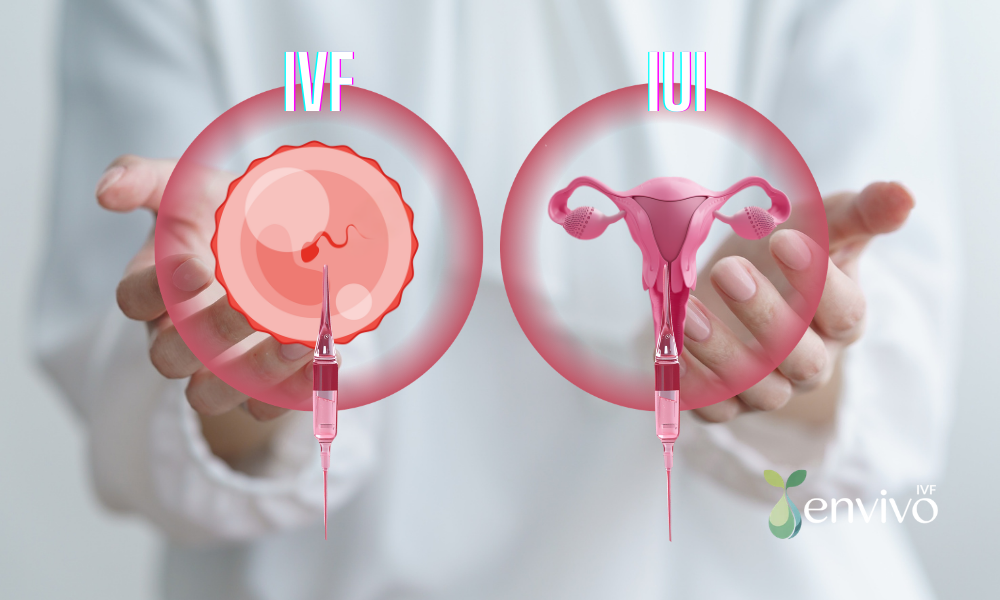
Assisted Reproductive Techniques (IVF)
When pregnancy cannot be achieved naturally, assisted reproductive methods—especially IVF—can be an important option.
In women with PCOS, IVF planning may include:
Personalized stimulation protocols
Close hormone monitoring
Embryo freezing strategies when necessary
Conclusion
PCOS is not a condition that prevents pregnancy when properly managed. With modern diagnostic methods, lifestyle modifications, and personalized treatment plans, many women with PCOS can achieve a healthy pregnancy.
The key is to evaluate all factors—such as age, metabolic status, hormonal balance, and partner-related factors—and plan the process individually.
Today, the Turkish Republic of Northern Cyprus (TRNC) has become a preferred destination for fertility treatments, thanks to its advanced IVF centers and internationally standardized laboratory infrastructure. In cases involving hormonal imbalances such as PCOS, personalized protocols and careful hormone monitoring can significantly improve success rates.
At Envivo IVF, we support you in accessing accurate information about PCOS and IVF, connecting with the right clinics and specialists, and managing your journey in a structured and informed way. We are not a clinic; we are a consultancy that simplifies complex fertility processes and provides guidance throughout your journey.
With the right information, the right center, and the right planning, the PCOS journey can be successfully managed.
And every fertility journey becomes more secure with informed and conscious steps.