
IUI (Intrauterine Insemination) Treatment: A Journey That Begins with Hope
Hope, Patience, and the Courage to Begin Again
Sometimes life does not give us what we desire most right away.
Hearing a baby’s heartbeat, holding tiny fingers, experiencing the indescribable feeling of becoming a parent…
For some couples, this path is a little longer and requires a little more patience.
This is where IUI (intrauterine insemination) becomes one of the steps toward starting again with hope.
IUI is one of the most natural forms of support that medicine can offer.
For couples whose chances of conceiving naturally have decreased, it helps pregnancy occur with minimal intervention—without disrupting the natural rhythm of the body.
During this process, emotions, expectations, fears, and hopes often intertwine.
But at the center of it all lies one thing: the deep desire to begin a new life.
What Is IUI (Intrauterine Insemination)?
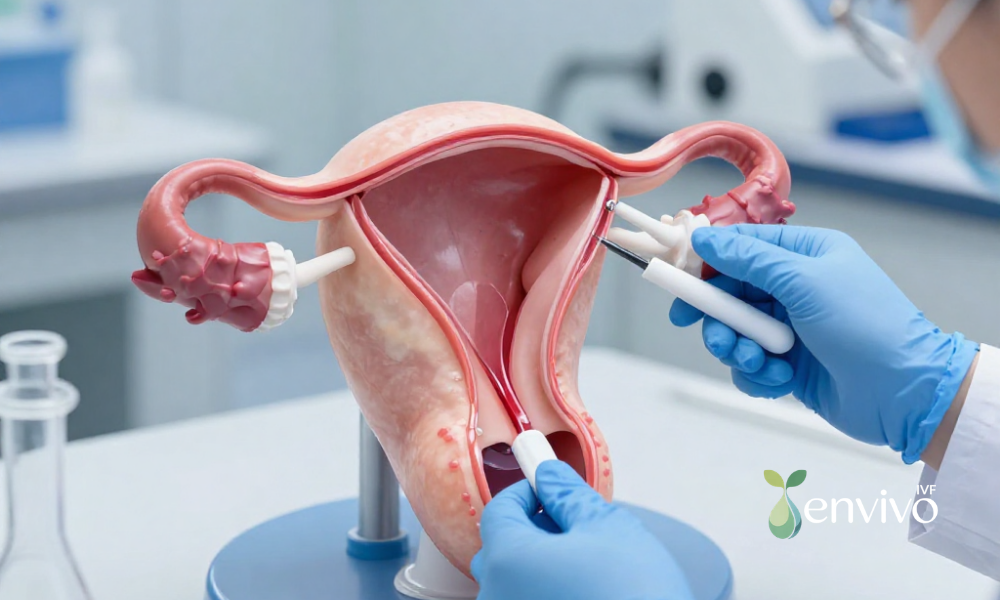
IUI is a procedure in which specially prepared sperm is placed directly into the uterus using a thin catheter.
But this definition is only the medical explanation.
In reality, for many couples, IUI represents the act of hoping again.
It is one of the closest assisted reproductive techniques to natural conception.
Ovulation, fertilization, and embryo development all occur naturally within the body.
Unlike IVF, fertilization does not take place in a laboratory; instead, the process simply helps sperm reach the egg more easily.
Who Is It Suitable For?
IUI is generally recommended in the following situations:
Women who ovulate regularly but are unable to conceive
Men with mild sperm count issues (oligospermia)
Cervical mucus-related problems
Unexplained infertility
Couples unable to achieve pregnancy through intercourse
IUI is often preferred before IVF as a simpler and less invasive first-line treatment.
How Does the IUI Process Work?
1. Ovarian Preparation
Treatment begins on day 2 or 3 of the menstrual cycle.
Medications (oral or injectable) are used to stimulate the ovaries.
The goal is to develop one or two high-quality eggs.
Follicle growth is monitored through ultrasound.
2. Triggering Ovulation
Once the eggs reach sufficient maturity, a trigger injection is administered.
This determines the optimal timing for fertilization.
3. Sperm Preparation
A sperm sample is processed in the laboratory.
The most motile and healthiest sperm are selected to increase the chances of success.
4. Insemination Procedure
The prepared sperm is placed into the uterus using a thin catheter.
The procedure is painless, does not require anesthesia, and takes only a few minutes.
A short rest afterward is sufficient.
5. The Waiting Period
After the procedure, a waiting period of approximately 10–14 days follows.
This is often the most emotionally intense phase.
With each passing moment, the same question arises:
“Did it work?”
This period is a delicate balance between hope and patience.
Success Rates in IUI Treatment
The success of IUI depends on several factors:
Age of the woman
Ovarian reserve
Sperm quality
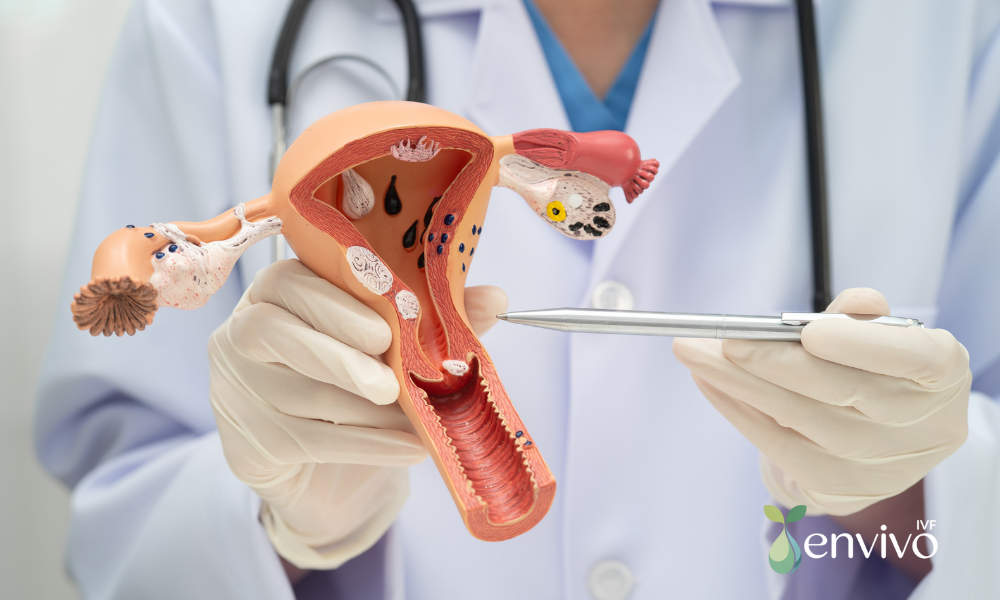
Condition of the uterus and fallopian tubes
Treatment protocol used
On average, the success rate per cycle is around 10–20%.
Although this may seem low, success rates can increase with repeated attempts in the right patient group.
If pregnancy is not achieved after 3–4 cycles, IVF is generally recommended.
Factors That Improve IUI Success
Accurate timing of ovulation
High-quality sperm preparation
Healthy uterine environment (no polyps, fibroids, or infection)
Balanced hormone levels (especially thyroid and prolactin)
Healthy lifestyle (avoiding smoking, alcohol, stress, and poor sleep)
Key Considerations in IUI Treatment
Before Treatment
Hormone tests (FSH, LH, E2, TSH, Prolactin) should be performed
HSG (uterine imaging) to check tube patency
Semen analysis
During Treatment
Medications should be used as prescribed
Ultrasound monitoring should not be skipped
Intercourse timing should follow the treatment plan
After Treatment
Avoid heavy physical activity
Manage stress—calmness supports success
Wait at least 10–14 days before taking a pregnancy test
IUI or IVF?
IUI is a simpler, more cost-effective, and more natural method compared to IVF.
However, it may not be suitable for everyone.
If the fallopian tubes are blocked, ovarian reserve is low, or sperm count is significantly reduced, IVF may be the more appropriate option.
IUI is typically considered a first-line treatment.
Empathy and Support During IUI Treatment
This process is not only medical—it is also deeply emotional.
Women may feel physically and emotionally exhausted through injections, monitoring, and waiting.
The support between partners becomes the strongest form of treatment during this time.
Crying together, hoping together, smiling together…
These are the unseen yet most powerful aspects of the journey.
What Happens If IUI Is Not Successful?
If pregnancy does not occur after several attempts, further evaluation is necessary:
Ovulation patterns
Uterine structure
Sperm quality
Hormonal balance
Immune or clotting-related factors
Based on these findings, IVF may be considered as the next step.
Every unsuccessful attempt still provides valuable insights for future planning.
Not Losing Hope in the IUI Journey
The IUI process requires patience and belief.
Every woman’s body and every couple’s journey is unique.
Some achieve success on the first try, while others may need multiple attempts.
What matters most is not losing hope.
Because each attempt brings you one step closer to a miracle.
Conclusion: Every Attempt Is a Story of Hope
IUI treatment is more than a medical procedure.
It is a journey where love, patience, and hope come together.
Every injection, every check-up, every waiting moment is part of a dream.
And one day, that dream can become reality.
At Envivo IVF, we listen to each couple’s story, understand their emotions, and approach the medical process with empathy.
The Turkish Republic of Northern Cyprus (TRNC) has become an important destination for many couples, offering advanced IVF centers and internationally recognized treatment options.
As Envivo IVF consultancy, we guide couples in selecting the right clinic, planning treatment, and managing the entire process in TRNC fertility and IVF treatments.
Because we know this journey is not just about treatment—it is a journey of hope.
And with the right support at the right time, every hope can turn into a miracle.









+Treatment?+Process,+Success+Rates,+and+Who+It+Is+Suitable+For)