
Genetic Screening (PGT) in IVF: A Scientific Approach for a Healthy Pregnancy
Why Is Selecting a Genetically Healthy Embryo Important?
IVF (In Vitro Fertilization) treatment is one of the most advanced assisted reproductive technologies offered by modern medicine. However, a successful IVF journey is not defined solely by embryo transfer, but also by the selection of a genetically healthy embryo.
For many couples, the greatest concerns include repeated IVF failures, miscarriage risk, or the possibility of passing genetic diseases to their child. Especially for couples with multiple unsuccessful IVF attempts or a family history of hereditary disorders, this process can become emotionally exhausting as well as medically challenging.
At this point, PGT (Preimplantation Genetic Testing) stands out as one of the most advanced laboratory technologies designed to improve the chances of a healthy pregnancy.
By genetically analyzing embryos before transfer, this method aims to:
- Support the selection of healthy embryos
- Optimize pregnancy success rates
- Reduce the risk of recurrent miscarriage
- Lower the risk of hereditary disease transmission
At Envivo IVF, we approach the PGT process not merely as a technical laboratory procedure, but as a comprehensive strategy involving scientific planning, proper clinic coordination, and personalized consultancy.
What Is PGT?
PGT (Preimplantation Genetic Testing) is the genetic analysis of cell samples taken from embryos created during IVF treatment.
Before embryo transfer, embryos can be evaluated for:
- Chromosomal abnormalities
- Genetic disease carrier status
- Structural chromosomal disorders
This allows the selection of the most genetically healthy embryo for transfer.
PGT may offer significant advantages, particularly for advanced maternal age patients and couples with recurrent IVF failures.
Types of PGT
1. PGT-A (Aneuploidy Screening)
PGT-A analyzes the number of chromosomes in embryos.
For example, it may help detect chromosomal abnormalities such as:
- Down syndrome
- Turner syndrome
- Edwards syndrome
It is commonly recommended for:
- Women over 35 years of age
- Patients with diminished ovarian reserve
- Recurrent IVF failure cases
2. PGT-M (Monogenic Disease Screening)
PGT-M is performed to determine whether single-gene disorders may be transmitted to the embryo.
Examples include:
- SMA (Spinal Muscular Atrophy)
- Thalassemia
- Cystic fibrosis
- Sickle cell anemia
It represents an important preventive approach for couples with a family history of genetic disease.
3. PGT-SR (Structural Rearrangement Screening)
PGT-SR evaluates structural chromosomal abnormalities such as:
- Translocations
- Deletions
- Inversions
This test may play a critical role, especially in couples with recurrent miscarriages.
How Does the PGT Process Work?
1. Egg Retrieval and Fertilization
During IVF treatment, eggs are collected and fertilized with sperm under laboratory conditions.
Embryos are then monitored carefully in specialized laboratory environments.
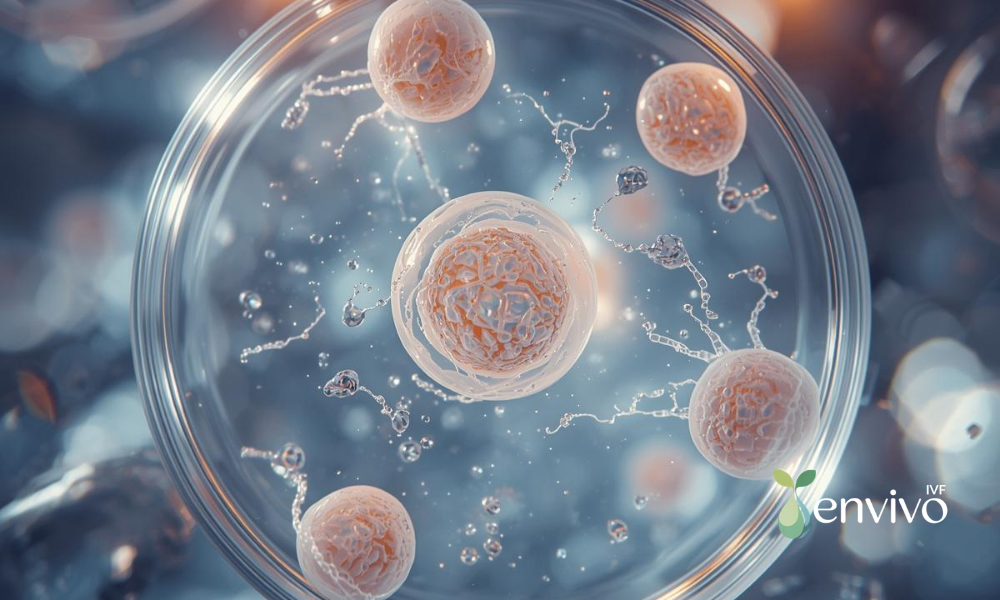
2. Development to the Blastocyst Stage
Embryos are generally cultured until Day 5, known as the blastocyst stage.
This stage is highly important for evaluating embryo quality.
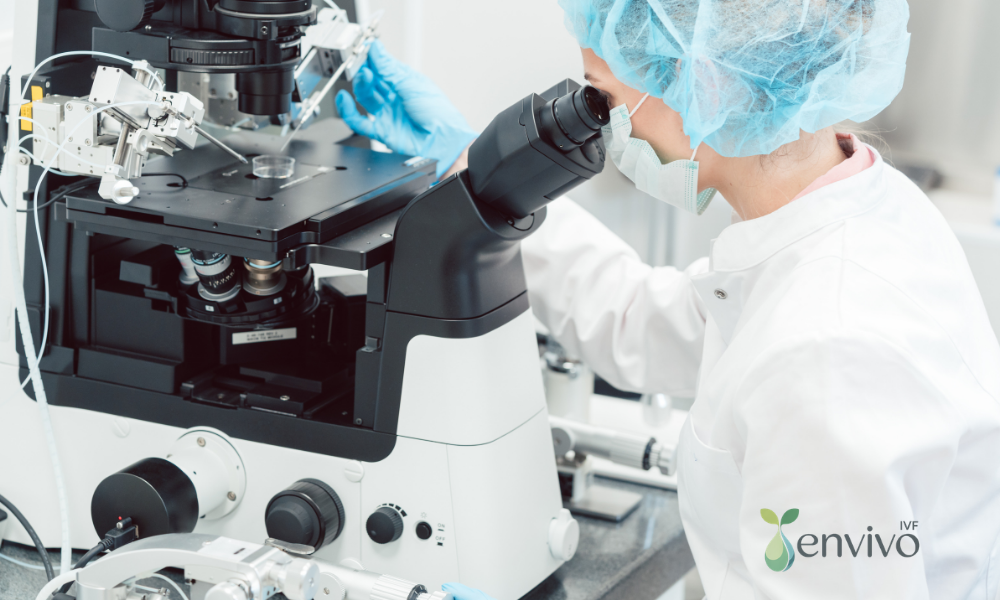
3. Embryo Biopsy
A few cells are taken from the embryo and sent for genetic analysis.
Thanks to modern embryology techniques, this procedure has minimal impact on embryo development when performed in experienced centers.
4. Genetic Analysis
Advanced technologies such as Next Generation Sequencing (NGS) are used to evaluate the genetic structure of embryos in detail.
NGS technology enables:
- Higher accuracy
- More comprehensive chromosomal analysis
- More reliable embryo selection
5. Transfer of a Healthy Embryo
Among the genetically normal embryos identified, the most suitable embryo is selected for transfer.
This approach supports a more controlled and strategic IVF process.
Who Should Consider PGT?
PGT is not routinely necessary for every IVF patient. However, it may provide significant advantages in specific situations.
PGT may be recommended for:
- Women over 35 years of age
- Couples with recurrent miscarriages
- Multiple failed IVF attempts
- Genetic disease carriers
- Family history of chromosomal abnormalities
- Sperm DNA damage
- Advanced paternal age
- History of poor-quality embryos
The decision should always be individualized following detailed medical evaluation.
Advantages of PGT
- Selection of genetically healthy embryos
- Reduced miscarriage risk
- Optimization of failed transfer attempts
- Lower hereditary disease transmission risk
- More strategically planned IVF process
- Increased psychological reassurance
However, it is important to remember:
PGT does not guarantee pregnancy. Factors such as uterine health, hormonal balance, embryo quality, and lifestyle also significantly influence success.
Common Misconceptions About PGT
“PGT damages the embryo.”
With modern biopsy techniques and experienced embryology laboratories, the procedure can be performed safely.
“PGT guarantees pregnancy.”
PGT only supports the selection of genetically healthy embryos.
Pregnancy success also depends on factors such as:
- Uterine quality
- Hormonal balance
- Transfer timing
- Immune system factors
“PGT is only for older patients.”
No. It is also frequently recommended for younger couples carrying hereditary genetic disorders.
Next-Generation Technologies in PGT
Genetic analysis technologies continue to evolve rapidly every year.
Especially:
- NGS (Next Generation Sequencing)
- Time-lapse embryo monitoring
- AI-assisted embryo evaluation systems
are making IVF processes increasingly controlled and precise.
These advances aim to achieve:
- Higher success rates
- Lower miscarriage risks
- Healthier pregnancies
At Envivo IVF, we closely follow global IVF technologies and scientific developments in order to provide couples with reliable and up-to-date guidance.
Does PGT Increase Pregnancy Success?
PGT may help optimize pregnancy success, especially in selected patient groups.
Particularly for:
- Advanced maternal age patients
- Couples with recurrent failed transfers
- Patients with miscarriage history
the selection of genetically healthy embryos may provide important advantages.
However, success is always multifactorial, and every process must be evaluated individually.
Conclusion
PGT (Preimplantation Genetic Testing) is one of the most advanced scientific approaches supporting the selection of healthy embryos during the IVF process.
When combined with:
- Proper patient selection
- Experienced embryology laboratories
- Personalized treatment planning
it may:
- Create a more controlled pregnancy process
- Reduce genetic risks
- Help couples manage their IVF journey more consciously
However, this process is not merely a technical analysis.
Choosing the right clinic, conducting comprehensive evaluations, ensuring proper coordination, and receiving reliable consultancy are all critically important.
At Envivo IVF, we support couples through:
- Personalized IVF planning
- Clinic and specialist guidance
- Genetic screening consultancy
- International patient coordination
- TRNC (Turkish Republic of Northern Cyprus) IVF process planning
- Treatment coordination and organizational support
Because every embryo is not simply a cell — it carries the hope of a future.











+in+IVF:+A+Scientific+Approach+for+a+Healthy+Pregnancy)