
How Many IVF Attempts Are Needed for Success?
Realistic Success Expectations: A Comprehensive Guide
Every Attempt Is a New Hope
In vitro fertilization (IVF) is one of the most effective methods modern medicine offers to couples who dream of having a child. However, this process is not only a medical treatment—it is also a journey that requires patience, hope, and resilience.
One of the most common questions couples ask is:
“How many IVF attempts are needed for success?”
There is no single answer to this question, as each individual’s biological structure, medical history, and response to treatment are different. However, based on scientific data, expert opinions, and clinical experience, it is possible to understand how this process generally progresses. This guide provides an in-depth look at IVF success rates, influencing factors, and realistic expectations.
A Comprehensive Guide
This article is designed not as a standard informational piece, but as an “Ultimate Guide.”
The goal is not only to provide surface-level information but to help readers fully understand every stage of the IVF process.
Throughout the article, both scientific data and practical insights from clinical experience are shared. This allows readers not only to gain knowledge but also to approach the process in a more informed and prepared way.
Research and Insights
During the preparation of this guide, numerous blog articles, medical studies, patient experiences, and expert opinions were reviewed. Additionally, success rates from international IVF centers were compared with clinical data from Turkey.
Key findings include:
Success rates vary significantly based on age
Women under 35 may achieve up to 45% success in the first attempt
For women over 40, this rate decreases to approximately 15–20%
On average, more than 70% of couples achieve pregnancy within three attempts
Embryo quality, uterine health, and lifestyle factors directly affect success
Couples receiving psychological support are more likely to continue treatment
Personalized treatment plans yield better results than standard protocols
1. Factors That Determine IVF Success
Female Age
Age is the most critical factor in IVF success.
Women under 30 may have success rates up to 50%
After age 35, egg quality and reserve begin to decline
After age 40, success rates drop to around 15–20%
Early treatment significantly increases success chances.
Egg and Sperm Quality
Embryo quality directly impacts the likelihood of pregnancy
High-quality embryos have a higher implantation rate
Sperm DNA damage may negatively affect embryo development
Nutrition, stress, and environmental factors influence quality
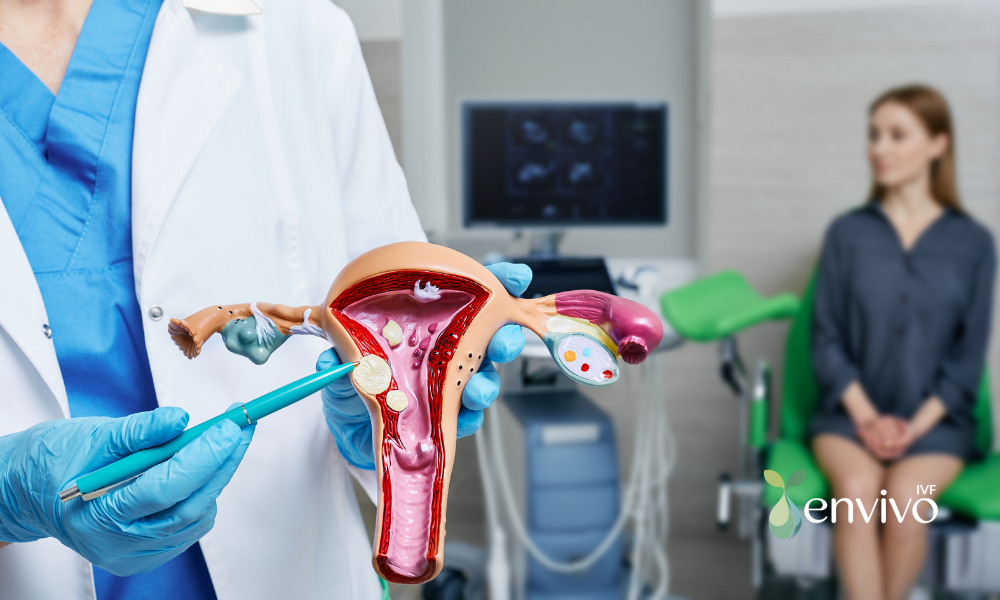
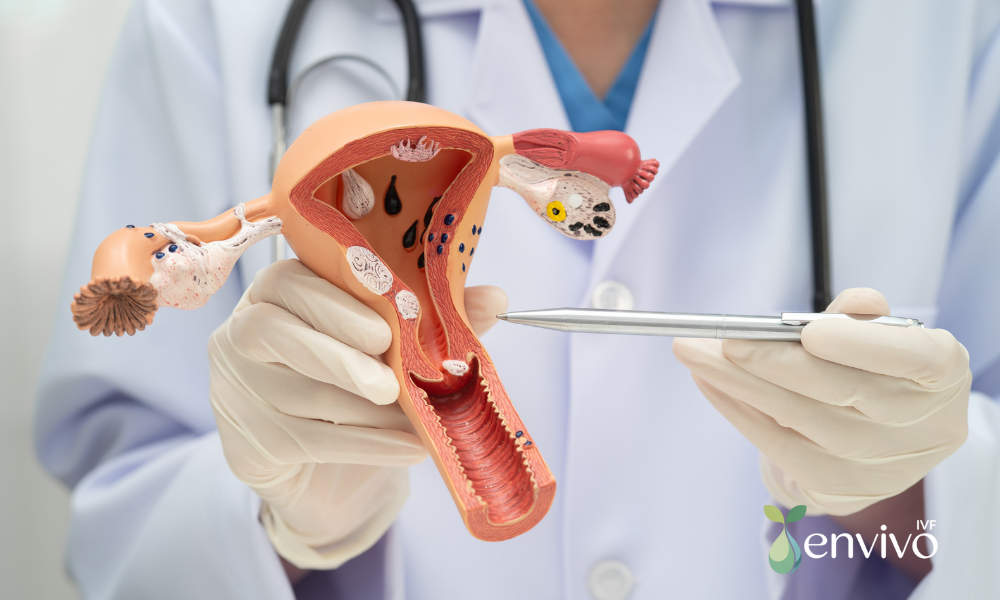
Uterine Health
The thickness and structure of the uterine lining (endometrium) are crucial for implantation
An endometrial thickness of 8–12 mm provides the most favorable environment
Conditions such as polyps, fibroids, or adhesions may reduce success rates
Lifestyle Factors
Smoking, alcohol, stress, and poor nutrition can reduce success rates
Regular exercise, balanced nutrition, and adequate sleep contribute positively
Caffeine consumption should be limited
Clinic Experience
Treatment protocols, laboratory conditions, and the expertise of the medical team play a significant role
Experienced embryologists and advanced laboratory technologies improve outcomes
Personalized treatment plans are more effective than standardized approaches
Frequently Asked Questions
Is IVF successful on the first attempt?
Yes, especially for women under 35, success rates in the first attempt can reach 40–50%. However, this varies based on individual factors and is not guaranteed.
Which attempt is IVF usually successful?
Scientific data suggests that many couples achieve pregnancy within 2–3 attempts. A large percentage of couples continuing up to three cycles achieve positive results.
Is it reasonable to try again after a failed attempt?
Yes. Failed attempts provide valuable insights for optimizing future treatment plans and improving success chances.
Does success increase with each attempt?
With proper analysis and personalized treatment adjustments, success rates may improve in subsequent attempts. However, this depends on factors such as age, embryo quality, and uterine health.
How many IVF attempts should be made?
Typically, up to three attempts are recommended. In some cases, additional attempts may be considered based on medical evaluation.
Why does IVF fail?
Common reasons include:
Poor embryo quality
Uterine abnormalities
Genetic factors
Hormonal imbalances
Age-related factors
How can IVF success be improved?
Healthy nutrition
Avoiding smoking and alcohol
Stress management
Adequate sleep
Strict adherence to medical advice
Does psychological well-being affect success?
Yes. Research shows that couples receiving psychological support are more likely to continue treatment and manage the process more effectively.
Conclusion
Success in IVF treatment is not limited to a single attempt. Each cycle provides valuable information that can improve future planning. With realistic expectations, patience, and proper medical support, many couples can turn their dream of having a child into reality.
The Turkish Republic of Northern Cyprus (TRNC) has become a leading destination for IVF treatment, thanks to its advanced IVF centers, internationally standardized laboratory infrastructure, and personalized treatment approaches. It is an increasingly preferred option for many couples in terms of both success rates and patient experience.
At Envivo IVF, we believe that every couple’s journey is unique, and we aim to achieve the highest success rates through personalized guidance and treatment planning.