
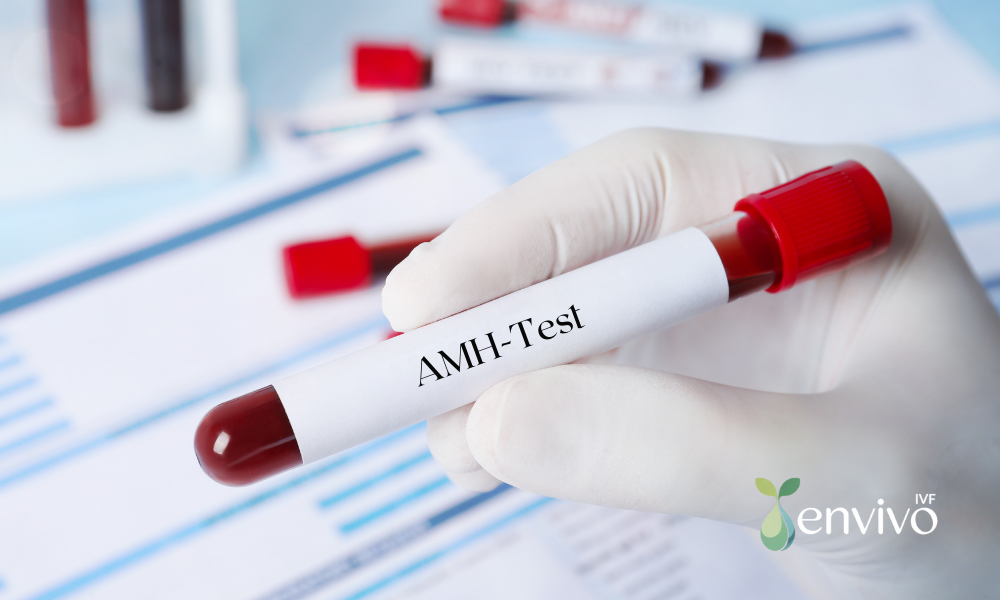
Hormone Profile (FSH, LH, E2, TSH, Prolactin): Key Indicators of Female Fertility
Why Is the Hormone Profile Important?
Female fertility is regulated by the delicate balance of hormones in the body.
These hormones directly influence ovulation, menstrual regularity, the thickening of the uterine lining, and the establishment of pregnancy.
When many women receive their hormone test results, they may experience confusion or anxiety due to not fully understanding what these values mean.
A hormone profile test is a fundamental evaluation used to assess this balance and identify potential fertility-related issues.
1. FSH (Follicle-Stimulating Hormone)
Function
FSH is the hormone that stimulates the ovaries and initiates egg development each month.
It is secreted by the pituitary gland in the brain.
Normal Range (Day 2–3 of the Menstrual Cycle)
3–10 mIU/mL: Normal
10–15 mIU/mL: Reduced ovarian reserve
15 mIU/mL: Ovarian reserve may be significantly diminished
What Does It Mean?
If FSH levels are elevated, it may indicate that the ovaries are not responding adequately.
This is often associated with a decline in ovarian reserve.
2. LH (Luteinizing Hormone)
Function
LH is the hormone responsible for triggering ovulation.
It supports the maturation and release of the egg.
Normal Range (Day 2–3 of the Menstrual Cycle)
1–10 mIU/mL: Normal
LH/FSH ratio >2: May indicate Polycystic Ovary Syndrome (PCOS)
What Does It Mean?
If LH levels are higher relative to FSH, this may suggest irregular ovulation or absence of ovulation.
3. E2 (Estradiol)
Function
E2 is the most active form of estrogen.
It promotes the thickening of the uterine lining and reflects ovarian function.
Normal Range (Day 2–3 of the Menstrual Cycle)
25–75 pg/mL: Normal
80 pg/mL: May indicate reduced ovarian reserve (can suppress FSH levels)
What Does It Mean?
Elevated E2 levels may suggest early ovarian stimulation or diminished ovarian reserve.
Low levels may indicate reduced ovarian activity.
4. TSH (Thyroid-Stimulating Hormone)
Function
The thyroid gland has a direct impact on metabolism and reproductive health.
TSH regulates thyroid function.
Normal Range
0.4–2.5 mIU/L: Ideal for women planning pregnancy
2.5 mIU/L: May indicate hypothyroidism
What Does It Mean?
Thyroid dysfunction can negatively affect ovulation and embryo implantation.
Therefore, TSH levels should always be evaluated before pregnancy.
5. Prolactin
Function
Prolactin is the hormone responsible for milk production.
However, when elevated, it can suppress ovulation.
Normal Range
5–25 ng/mL: Normal
25 ng/mL: Hyperprolactinemia (elevated prolactin)
What Does It Mean?
High prolactin levels may lead to menstrual irregularities and ovulation problems.
Stress, certain medications, or pituitary gland conditions may contribute to this.
When Is a Hormone Profile Performed?
A hormone profile is typically performed on day 2 or 3 of the menstrual cycle.
This period represents the most stable hormonal phase and provides the most accurate assessment of ovarian reserve.
How Are Hormone Profile Results Interpreted?
An abnormal value in a single hormone does not establish a diagnosis on its own.
All hormones must be evaluated together:
FSH + E2: Ovarian reserve
LH/FSH ratio: Ovulation pattern
TSH + Prolactin: Overall hormonal balance
This comprehensive analysis helps determine fertility potential and guides appropriate treatment strategies when necessary.
Frequently Asked Questions
Is pregnancy possible if the hormone profile is abnormal?
Yes. Hormonal imbalances may make conception more challenging, but in most cases, they are treatable. With proper evaluation and individualized treatment, the chances of pregnancy can be improved.
Are hormone profile tests sufficient on their own?
No. Hormone tests should always be evaluated together with ultrasound findings, ovarian reserve, and clinical history.
Do hormone levels change every month?
Some hormones may vary depending on the cycle. Therefore, it is important to perform the tests at the correct time (usually day 2–3 of the menstrual cycle).
Conclusion
The hormone profile is one of the most fundamental and guiding tools in evaluating female fertility.
When FSH, LH, E2, TSH, and prolactin levels are assessed together, they provide a comprehensive picture of ovarian reserve, ovulation patterns, and overall hormonal balance.
It is important to remember that hormone results do not represent a definitive “good” or “bad” outcome on their own. What matters is interpreting these values alongside age, clinical history, ultrasound findings, and other fertility parameters.
At Envivo IVF, we are not a clinic; we are a consultancy that provides guidance and direction. We support you in understanding your hormone results more clearly and connecting with the most appropriate clinics and specialists based on your individual situation.
With accurate analysis, proper planning, and the right choice of center, the fertility journey can become more predictable and secure.






:+Key+Indicators+of+Female+Fertility)