
Tests Required for Women Before IVF: A Step-by-Step Guide
The Foundation of a Successful IVF Treatment
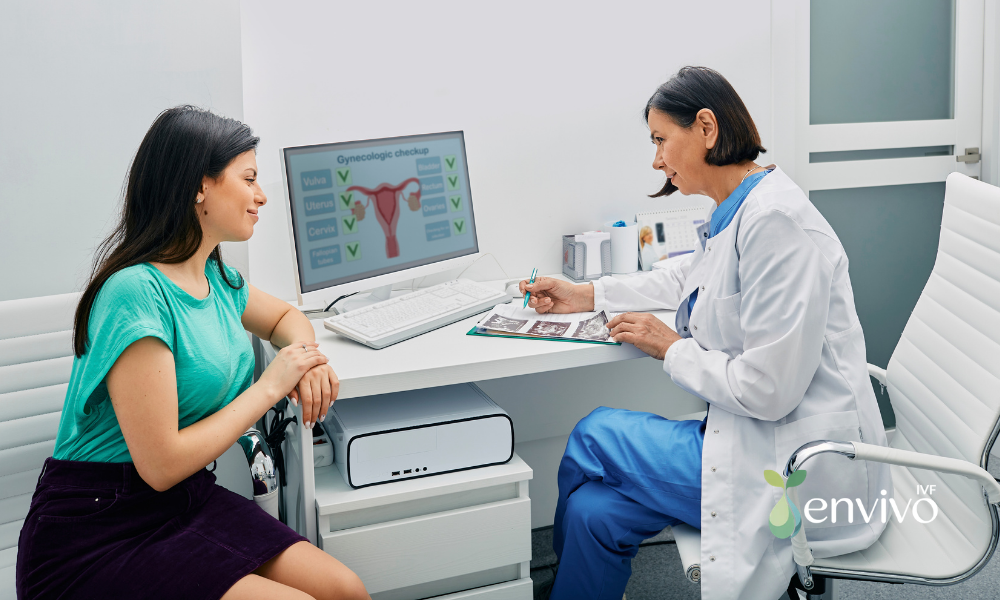
The tests performed before starting IVF (in vitro fertilization) treatment are essential for both accurate treatment planning and increasing success rates.
These tests provide a comprehensive evaluation of a woman’s reproductive health, hormonal balance, ovarian reserve, and uterine structure.
The goal is to identify potential obstacles before treatment begins and create a personalized treatment roadmap.
What Will You Find in This Guide?
In this guide, you will find:
Which tests are required before IVF
Why each test is requested
Whether all tests are necessary for every patient
How the results are interpreted
The aim is to help you start the process in a more informed, prepared, and confident way.
Note: The number of tests may seem overwhelming at first. However, their purpose is not to burden you, but to increase the chances of success through personalized planning.
1. Hormone Tests
Hormone tests are used to evaluate ovarian function and the menstrual cycle.
They are typically performed using a blood sample taken on day 2 or 3 of the menstrual cycle.
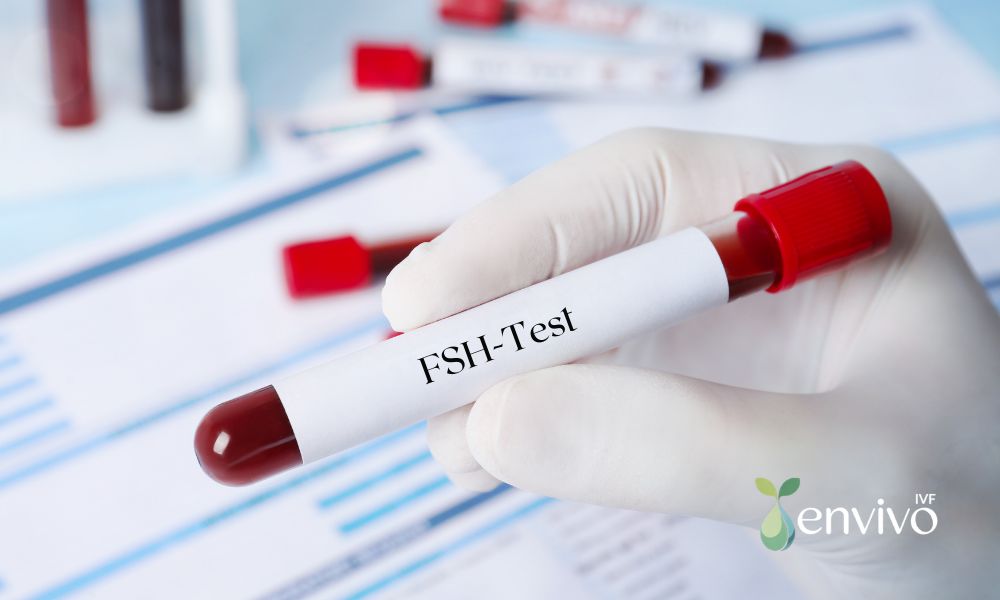
a. FSH (Follicle-Stimulating Hormone)
Indicates the ovarian stimulation capacity.
High FSH levels may suggest a reduced ovarian reserve.
b. LH (Luteinizing Hormone)
Triggers ovulation.
Evaluated together with FSH.
c. E2 (Estradiol)
Reflects estrogen production by the ovaries.
High levels may indicate early ovarian stimulation or the presence of cysts.
d. AMH (Anti-Müllerian Hormone)
The most accurate test for assessing ovarian reserve.
Can be performed independently of the menstrual cycle.
e. TSH, T3, T4 (Thyroid Function Tests)
Thyroid hormones directly affect ovulation and embryo implantation.
Imbalances may reduce pregnancy chances.
f. Prolactin
Known as the “milk hormone.”
High levels may inhibit ovulation.
Which Tests Are Mandatory Before IVF?
Some tests are considered essential baseline evaluations before starting IVF:
Hormone tests
Ovarian reserve assessment
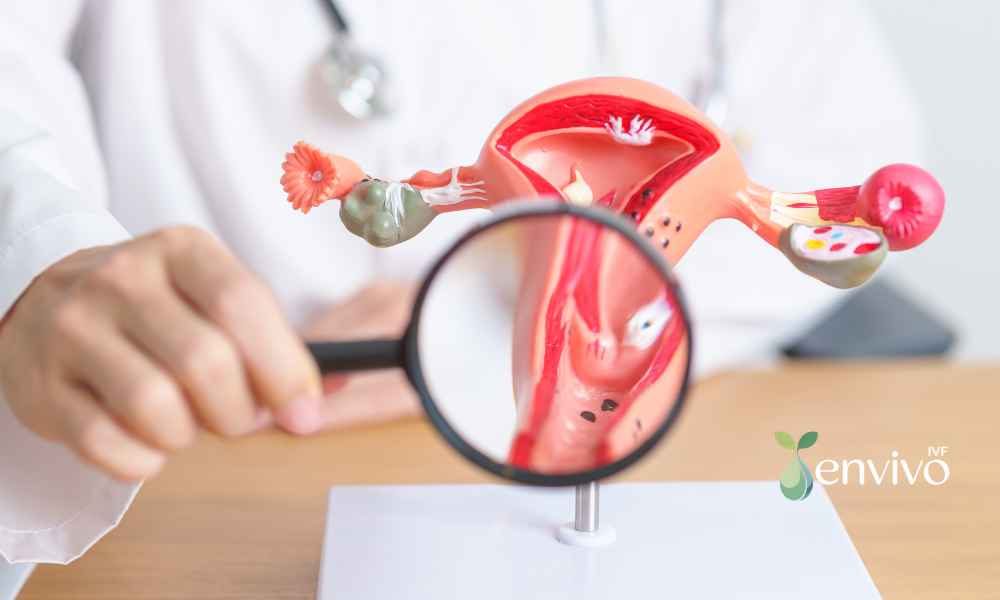
Uterine evaluation
These are crucial for treatment safety and success.
2. Ovarian and Uterine Evaluation
a. Antral Follicle Count (AFC)
Performed via vaginal ultrasound.
Measures the number of small follicles in the ovaries.
b. Uterine Ultrasound
Evaluates the thickness and structure of the endometrium.
Detects fibroids, polyps, or adhesions.
c. HSG (Hysterosalpingography)
Known as a “uterine X-ray.”
Assesses the uterine cavity and fallopian tube patency.
d. Hysteroscopy (if necessary)
Direct visualization of the uterus using a camera system.
Allows for simultaneous diagnosis and treatment.
Are All Tests Required for Every Patient?
No.
Not all tests are mandatory for every woman.
They are determined based on:
Age
Medical history
Previous pregnancies
Past treatment experiences
Therefore, the test plan must always be personalized.
3. Infection and Immunological Tests
a. TORCH Panel
Screens for Toxoplasma, Rubella, CMV, and Herpes infections.
b. Hepatitis B, Hepatitis C, HIV, Syphilis (VDRL)
Evaluates blood-borne infections.
c. Vaginal Culture and Smear Test
Detects vaginal infections and cervical cell changes.
If an infection is present, treatment must be completed before IVF.
4. Blood and General Health Tests
Complete Blood Count (Hemogram)
Blood Sugar (Fasting Glucose, HbA1c)
Liver and Kidney Function Tests
Blood Type and Rh Factor
These tests are important for the safe use of medications during treatment.
5. Genetic Tests (When Necessary)
Karyotype Analysis
Carrier Screening
PGT (Preimplantation Genetic Testing)
Recommended especially in cases of advanced maternal age, recurrent miscarriage, or repeated IVF failure.
6. Additional Evaluations
Vitamin and mineral levels (Vitamin D, B12, folic acid)
Insulin resistance (HOMA-IR)
Coagulation (clotting) tests
7. Psychological and Lifestyle Assessment
IVF treatment is not only physical, but also an emotional process.
Stress levels, sleep patterns, and nutrition should be evaluated.
If needed, psychological support is recommended.
Conclusion
The tests performed before IVF are the most critical preparation phase of the treatment process.
They allow the physician to evaluate a woman’s reproductive health comprehensively and create the most appropriate treatment plan.
It should be remembered that these tests are not meant to complicate the process, but to reduce unnecessary attempts and increase the chances of success.
Today, the Turkish Republic of Northern Cyprus (TRNC) has become an important destination for many couples, thanks to its advanced laboratory infrastructure and internationally standardized IVF centers.
At Envivo IVF, we provide guidance to couples in clinic selection, test planning, and treatment strategy for IVF and fertility treatments in TRNC.
Because the right tests, the right analysis, and the right planning form the strongest foundation for a successful IVF journey.