
How Can You Tell If You Are Not Ovulating? Symptoms, Causes, and Diagnostic Methods
What Is Ovulation and Why Is It Important?
Ovulation is the phase during which a mature egg is released from the ovaries.
This process determines the most suitable time for pregnancy.
Many women may try for months without realizing whether ovulation is occurring, which can lead to confusion.
If ovulation does not occur, fertilization cannot take place, and menstrual irregularities may develop.
This condition is known as anovulation.
Signs That Indicate Lack of Ovulation
1. Menstrual Irregularities
Menstrual cycles that are too long (more than 35 days) or too short (less than 21 days)
Very light or excessively heavy bleeding
Skipping periods in some months
When ovulation does not occur, hormonal balance is disrupted, preventing a regular menstrual cycle.
2. No Change in Basal Body Temperature
After ovulation, the hormone progesterone causes a slight increase in body temperature.
If ovulation does not occur, this temperature rise will not be observed.
Women who track their basal body temperature can often identify this pattern.
3. Lack of Changes in Cervical Mucus
During ovulation, vaginal discharge typically becomes:
Clear
Slippery
Egg-white in consistency
If these changes are not observed, ovulation may not have occurred.
4. Absence of Breast Tenderness
Progesterone levels rise after ovulation, often causing breast sensitivity or fullness.
If this symptom is absent, ovulation may not have taken place.
5. Absence of Ovulation Pain (Mittelschmerz)
Some women experience mild pelvic pain during ovulation.
Although not everyone feels this, if you previously experienced it and no longer do, ovulation may not be occurring.
6. Absence of Pregnancy Signs
Without ovulation, fertilization cannot occur, and therefore pregnancy is not possible.
Medical Indicators of Anovulation
1. Progesterone Test
Measured through a blood test on day 21 of the menstrual cycle.
If progesterone levels are low (<3 ng/mL), ovulation has not occurred.
2. Ultrasound Monitoring
The ovaries are monitored via ultrasound.
If ovulation occurs, the follicle grows and ruptures.
If the follicle does not rupture, ovulation has not taken place.
3. LH (Luteinizing Hormone) Test
LH levels rise before ovulation.
This surge can be detected using home ovulation tests.
If no LH surge is observed, ovulation may not have occurred.
4. AMH and FSH Tests
These tests provide information about ovarian reserve and function.
Low AMH or high FSH levels may indicate reduced ovulatory capacity.
Causes of Anovulation
1. Polycystic Ovary Syndrome (PCOS)
One of the most common causes.
The ovaries contain many small follicles, but a mature egg may not develop.
2. Thyroid Disorders
Both underactive (hypothyroidism) and overactive (hyperthyroidism) thyroid function can prevent ovulation.
3. Excessive Stress
Stress can suppress the hypothalamus, reducing hormones that trigger ovulation.
4. Significant Weight Changes
Fat tissue plays a role in estrogen production.
Rapid weight gain or loss can disrupt hormonal balance.
5. Early Menopause (Premature Ovarian Insufficiency)
Ovarian function may decline before age 40, leading to cessation of ovulation.
6. Excessive Exercise or Poor Nutrition
Common in athletes or women following very low-calorie diets.
What Should Be Done If Ovulation Is Not Occurring?
1. Identify the Underlying Cause
Hormone tests, ultrasound, and general health assessments are used to determine the cause.
2. Ovulation Induction Treatments
Medications such as clomiphene citrate or letrozole may be used.
In some cases, injectable treatments (gonadotropins) may be required.
3. Lifestyle Modifications
Balanced nutrition and maintaining an ideal weight
Stress management
Regular sleep and exercise
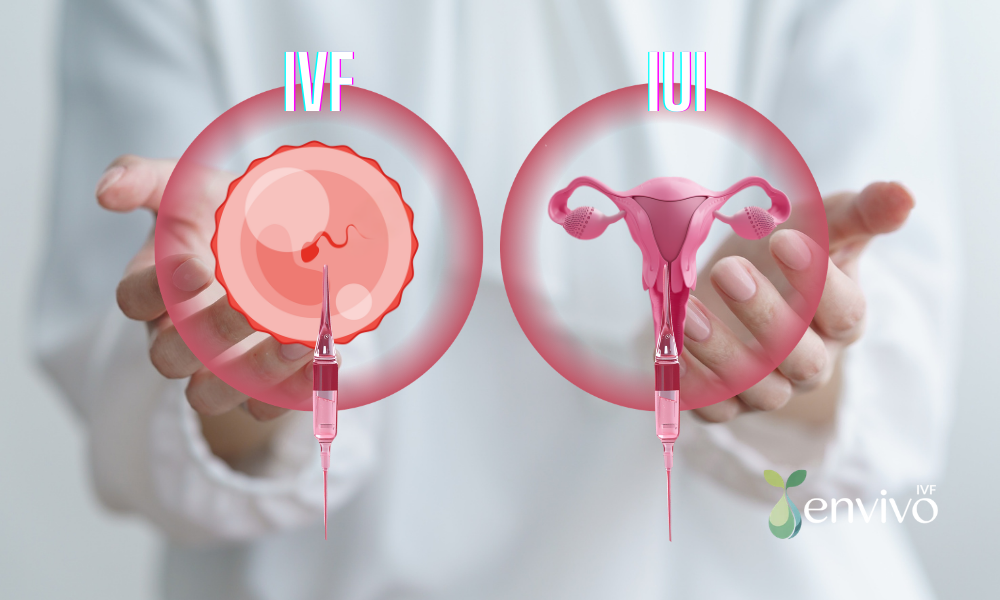
4. IVF (In Vitro Fertilization)
If ovulation cannot be achieved with medication, pregnancy may be possible through IVF.
Frequently Asked Questions
Can you have a period without ovulating?
Yes. Some women may experience menstrual bleeding without ovulation. This is common in hormonal imbalances and PCOS.
Is it possible to detect lack of ovulation at home?
Basal body temperature tracking and ovulation tests can provide guidance, but a definitive diagnosis requires hormone testing and ultrasound evaluation.
Is ovulation disorder permanent?
No. Most ovulation disorders can be treated once the underlying cause is identified, and fertility potential can often be restored.
Conclusion
Lack of ovulation is a condition that can reduce the chances of pregnancy but is often treatable.
With careful monitoring of symptoms and confirmation through hormone tests, ovulation can often be restored with appropriate treatment.
At Envivo IVF, we analyze ovulation disorders in detail and aim to increase the chances of pregnancy—either naturally or through IVF—by creating personalized treatment plans.
We also support our patients through fertility treatment processes in the Turkish Republic of Northern Cyprus (TRNC), offering guidance and structured planning throughout the journey.