Is Irregular Menstruation a Barrier to Pregnancy?
Facts, Causes, and Possible Solutions
What Does Irregular Menstruation Mean?
Irregular menstruation refers to menstrual cycles that occur at shorter, longer, or unpredictable intervals compared to a typical cycle. A healthy menstrual cycle generally ranges between 21–35 days, with an average of 28 days. When this pattern becomes irregular, it may often indicate an underlying hormonal or physiological imbalance.
For many women asking this question, the main concern is the same:
“Can irregular periods prevent me from getting pregnant?”
The menstrual cycle is actually a reflection of the ovulation process. When this cycle becomes irregular, ovulation may also become irregular, which can directly affect the chances of pregnancy.
Can Irregular Menstruation Prevent Pregnancy?
The short answer is: It can make pregnancy more difficult, but it does not completely prevent it.
For pregnancy to occur, a healthy egg must be fertilized during ovulation. However, in women with irregular periods:
- Ovulation timing may become unpredictable
- Ovulation frequency may decrease
- Ovulation may not occur during some cycles
This makes it more difficult to identify the most fertile period for conception.
On the other hand, many women with irregular periods can achieve healthy pregnancies with the correct diagnosis and appropriate treatment. The key point is identifying the underlying cause accurately.
How Irregular Menstruation Affects Fertility
1. Unpredictable Ovulation Timing
In irregular cycles, the ovulation day may change every month. This makes pregnancy planning more challenging and largely dependent on estimation.
2. Lack of Ovulation (Anovulation)
Some women may still experience menstrual bleeding even when ovulation does not occur. In such cases, natural conception is not possible.
3. Hormonal Imbalances
Imbalances in hormones such as estrogen, progesterone, LH, and FSH can affect both ovulation and the uterus’s ability to support embryo implantation.
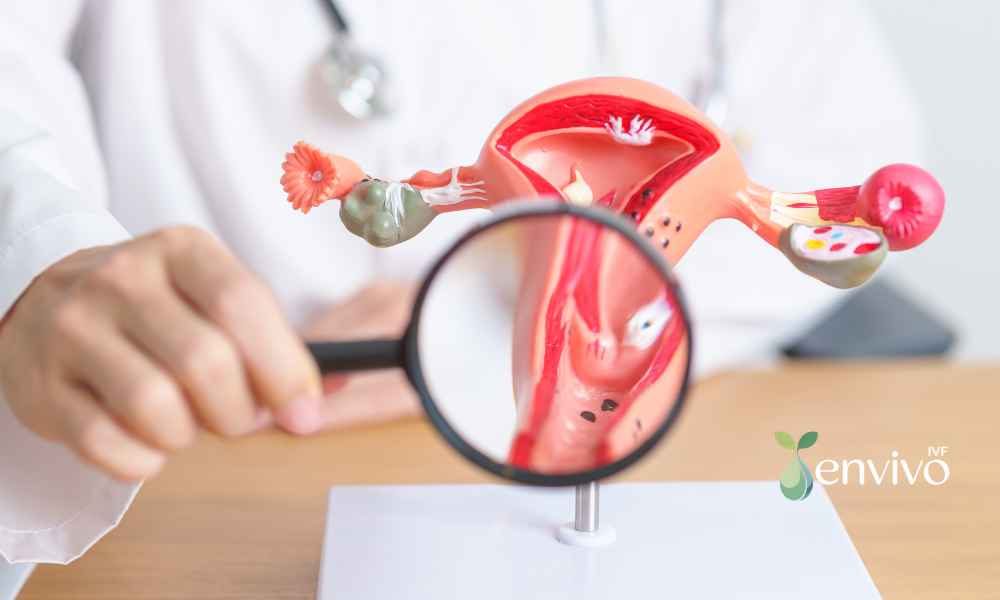
4. Uterine and Ovarian Conditions
Conditions such as PCOS, thyroid disorders, or structural uterine problems may negatively affect both menstrual regularity and fertility.
Causes of Irregular Menstruation
1. Polycystic Ovary Syndrome (PCOS)
One of the most common causes. Ovulation becomes irregular, and menstrual intervals may become longer.
2. Thyroid Disorders
Thyroid hormones play an important role in regulating the menstrual cycle.
3. Excessive Stress
Stress can suppress ovulation by affecting hormone regulation through the hypothalamus.
4. Weight Changes
Excess weight or rapid weight loss may affect hormone production.
5. Intense Exercise
Excessive physical activity, especially when combined with low body fat, may cause menstrual cycles to stop.
6. Early Menopause
Premature depletion of ovarian reserve may first appear as irregular menstruation.
Can Women With Irregular Periods Get Pregnant?
Yes, but it depends on how often ovulation occurs.
- If ovulation occurs occasionally: Natural pregnancy may still be possible
- If ovulation does not occur: Medical support may be necessary
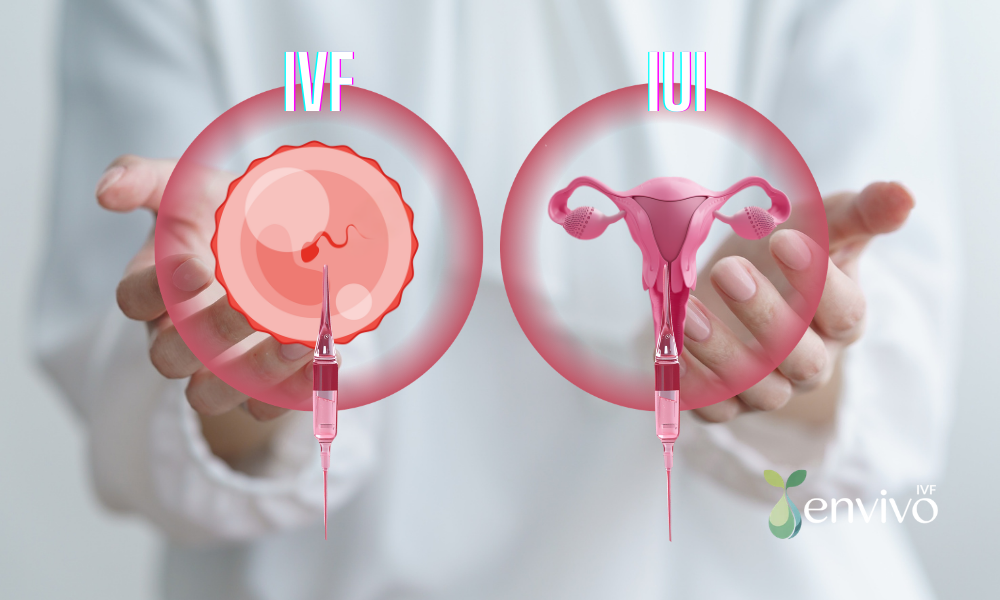
At this stage, treatments that stimulate ovulation or methods such as IVF (In Vitro Fertilization) may significantly increase the chances of pregnancy.
How Is Irregular Menstruation Treated?
1. Identifying the Underlying Cause
The diagnostic process usually includes:
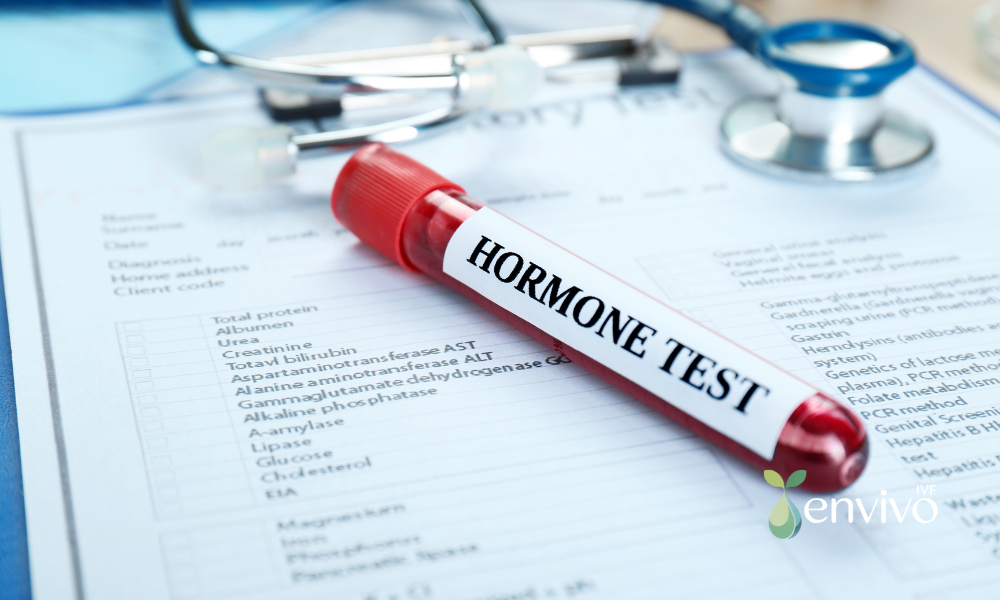
- Hormone tests (FSH, LH, E2, AMH, TSH, Prolactin)
- Ultrasound evaluation
- Additional metabolic testing when necessary
2. Regulating Hormonal Balance
Ovulation-supporting medications or hormone therapies may be recommended.
3. Lifestyle Adjustments
Nutrition, sleep quality, and stress management are important parts of treatment.
4. IVF Treatment
In cases where ovulation cannot be achieved naturally, IVF may become one of the most effective treatment options.
Pregnancy Tips for Women With Irregular Periods
- Track your menstrual cycle regularly
- Use ovulation tests
- Maintain a healthy body weight
- Prioritize stress management
- Do not skip regular medical check-ups
Frequently Asked Questions
Can irregular menstruation prevent pregnancy?
Irregular periods may reduce the chances of pregnancy, but they do not completely prevent it. Pregnancy is possible as long as ovulation occurs.
Can women with irregular periods get pregnant?
Yes. Especially if ovulation occurs occasionally, natural pregnancy is possible. When necessary, treatment can support ovulation.
How can irregular menstruation be treated?
Treatment depends on the underlying cause. Hormone therapies, lifestyle changes, and IVF treatment may be recommended when necessary.
Conclusion
Irregular menstruation is a condition that may reduce fertility, but it can often be managed successfully with proper diagnosis and treatment. Since every woman’s hormonal structure and ovulation pattern are different, individualized evaluation is extremely important.
At Envivo IVF, we carefully analyze hormone profiles, ovarian reserve, and uterine health in women experiencing irregular menstruation and create the most appropriate personalized treatment plans. Throughout this process, we also support our patients through our consultancy services in the Turkish Republic of Northern Cyprus .