
In Vitro Fertilization (IVF) Process: Envivo IVF Consultation Guide

The First Clear Step on the Path to Parenthood
Couples seeking information about the IVF process often face the same challenge:
There is an abundance of information, but a lack of clear guidance.
While clinic websites highlight success rates, forums are filled with conflicting experiences. This often leaves couples with one key question:
“What is the right choice for us?”
This guide has been prepared to answer exactly that question.
It provides a comprehensive overview of the IVF process from start to finish—presented with a clear timeline, key considerations for decision-making, and, most importantly, a realistic perspective.
What You Will Find in This Guide?
-
What is IVF?
-
IVF Success Rates: What to Expect Realistically
-
Key Factors Affecting IVF Success
-
IVF Process: Step by Step
-
IVF Timeline: How Long Does the Process Take?
-
Why Is Choosing the Right Clinic and Specialist Critical?
-
When Should You See a Fertility Specialist?
-
Frequently Asked Questions
-
Next Step
What is IVF?
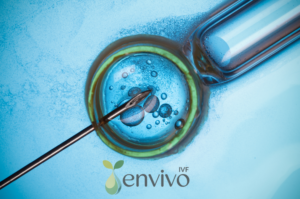
In vitro fertilization (IVF) is an assisted reproductive technique in which an egg and sperm are fertilized in a laboratory environment, and the resulting embryo is transferred into the uterus.
The term “in vitro” refers to fertilization occurring outside the body.
IVF is commonly recommended in the following situations:
-
Ovulation disorders
-
Blocked fallopian tubes
-
Low sperm count or motility
-
Unexplained infertility
-
Cases requiring donor eggs, sperm, or surrogacy
Every couple’s journey is unique.
Therefore, a successful IVF process should be personalized rather than standardized.
IVF Success Rates: What to Expect Realistically
IVF success rates cannot be expressed as a single number.
Age, biological factors, the techniques used, and the clinic’s experience directly influence these rates.
Envivo IVF’s consulting approach views success rates not as a “promise,” but as a roadmap.
The goal is not simply to talk about high numbers, but to define the most appropriate strategy for you.
True success starts with setting the right expectations.
Key Factors Affecting IVF Success
-
Female age
-
Ovarian reserve (AMH and antral follicle count)
-
Sperm quality
-
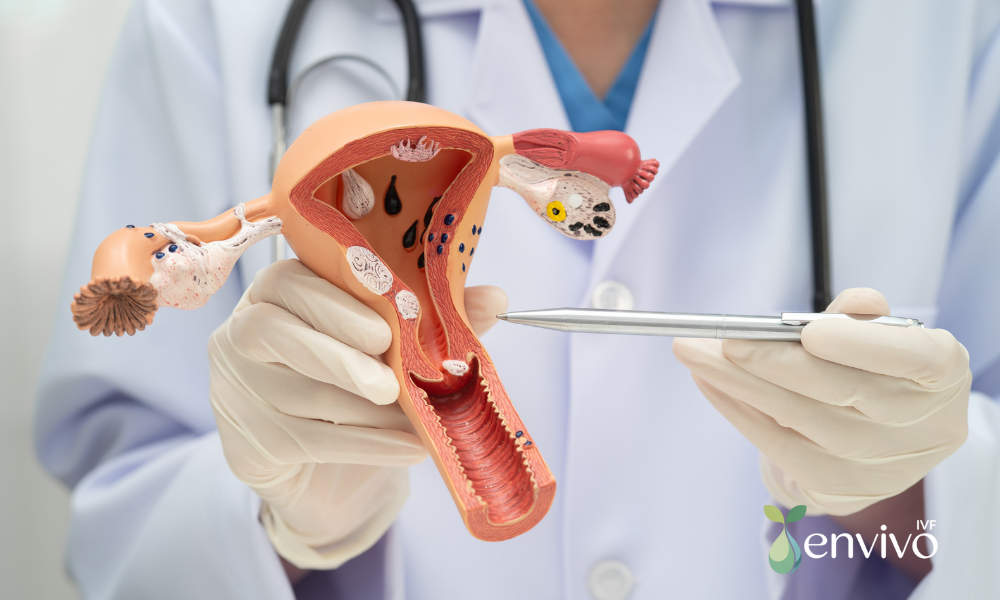
Uterine structure and health
-
Lifestyle factors
-
Clinical expertise and laboratory infrastructure
Not achieving pregnancy in a single attempt does not mean the process has failed.
Each cycle provides valuable insights to help plan the next step more effectively.
IVF Process: Step by Step
In this section, the process is presented in a clear and simplified way, free from complex terminology.
1. 1. Initial Evaluation and Planning
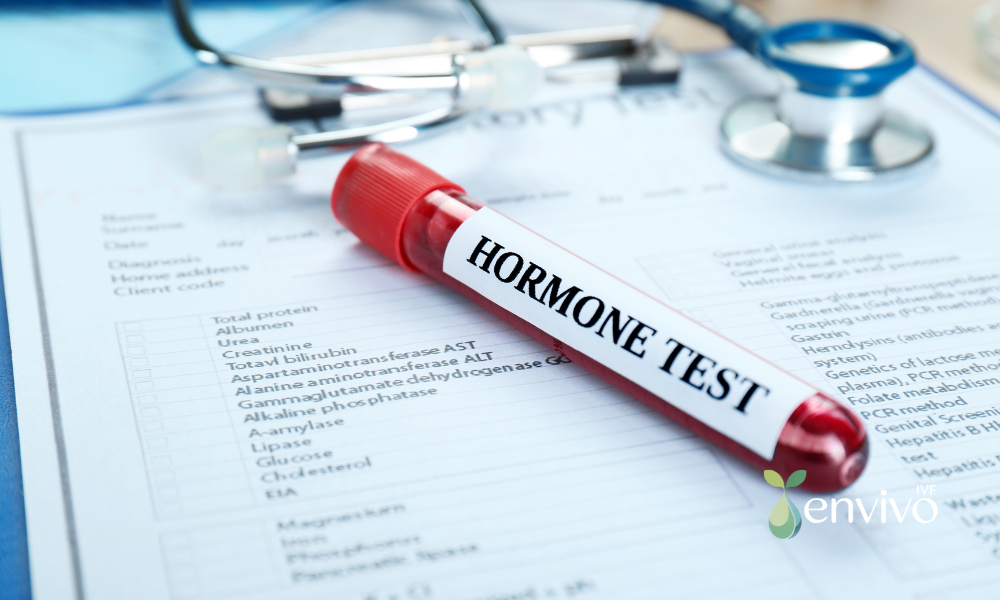
Blood tests, ultrasound examinations, and sperm analysis are performed.
Based on these findings, a personalized treatment roadmap is created.
2. Ovarian Stimulation
It typically lasts around 10–14 days.
The goal is to obtain multiple healthy eggs. Regular monitoring is carried out throughout the process.
3. Egg and Sperm Retrieval
Egg retrieval is performed under short sedation, and a sperm sample is collected on the same day.
4. Fertilization and Embryo Development
IVF veya ICSI yöntemi uygulanır.
Embriyolar 3–5 gün boyunca laboratuvarda yakından izlenir.
5. Embryo Transfer
The highest-quality embryo is transferred into the uterus.
If appropriate, additional embryos may be frozen for future use.
6. Pregnancy Test
It is performed 9–14 days after the embryo transfer.
This waiting period is often the most emotionally sensitive stage for many couples. These feelings are completely normal, and many people go through the same experience.
Timeline: How Long Does the IVF Process Take?
A typical IVF cycle:
-
1–2 weeks: Tests and preparation
-
2 weeks: Ovarian stimulation
-
1 week: Egg retrieval and embryo transfer
-
2 weeks: Waiting period for the pregnancy test
The full IVF cycle usually takes 4–6 weeks, although some couples may require multiple cycles, reflecting the personalized nature of the treatment.
When Should You See a Fertility Specialist?
In the following situations, prompt evaluation is recommended:
-
If pregnancy has not occurred after 6–12 months of unprotected intercourse
-
Women aged 35 and over
-
If there are irregular menstrual cycles, PCOS, or Endometriosis
-
If there have been recurrent miscarriages
Early referral directly impacts the chances of success.
Frequently Asked Questions
Is the IVF process painful?
Most stages are associated with minimal discomfort, and egg retrieval is carried out under sedation.
Which stage is the most difficult?
For many patients, the waiting period after embryo transfer is the most emotionally challenging stage.
How many attempts are considered normal?
The number of attempts varies depending on individual factors; some couples succeed on the first try, while others may need multiple cycles.
Which stage has the greatest impact on IVF success?
Implantation (the embryo attaching to the uterus) is the most critical stage for success.
Next Step
After reading this guide, uncertainty should give way to clarity:
-
Evaluate your situation objectively
-
Compare clinic and specialist options carefully and make an informed decision
-
Remember, you don’t have to go through this process alone
At Envivo IVF, we go beyond simply explaining IVF and assisted reproductive treatment options—we plan the entire process with you from start to finish.
Because every patient’s medical condition and expectations are unique, we tailor our consulting approach to each individual. By supporting you in clinic and specialist selection, treatment planning, and process management, we aim to make this journey more understandable and manageable.










+Process:+Envivo+IVF+Consultation+Guide)