Early Menopause Symptoms: A Silent Beginning in Women’s Health
What Is Early Menopause?
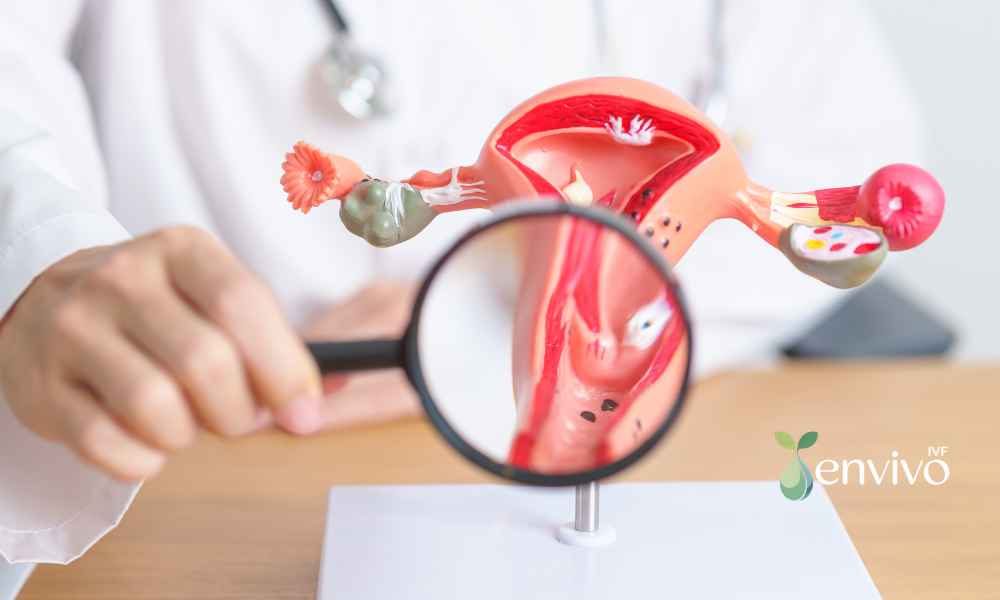
Early menopause is a condition in which a woman’s ovarian functions begin to decline or stop completely before the age of 40.
Under normal circumstances, menopause typically occurs between the ages of 45 and 55. However, in some women, this process may begin much earlier than expected due to genetic, hormonal, or environmental factors.
Many women experiencing these symptoms may struggle to understand the cause and often interpret them as temporary hormonal irregularities.
In reality, this process may be an important signal from the body.
Early menopause does not only mean the cessation of menstrual periods; it is also a complex condition that directly affects fertility, hormonal balance, and overall health.
For this reason, recognizing it early is critically important for both reproductive health and long-term well-being.
Causes of Early Menopause
The causes of early menopause may vary from person to person.
Although the exact cause cannot always be identified, the most common scientifically recognized factors include:
- Genetic factors: The risk increases significantly if there is a family history of early menopause.
- Autoimmune diseases: The immune system may mistakenly damage the ovaries.
- Chemotherapy or radiotherapy: These treatments may permanently damage ovarian cells and affect fertility.
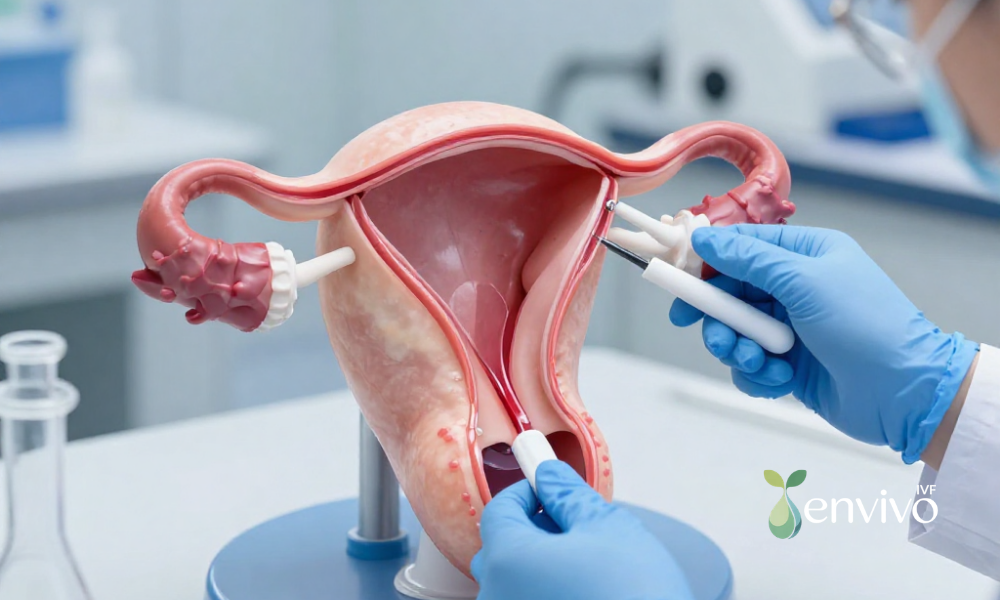
- Surgical interventions: Removal of the ovaries or pelvic surgeries may trigger early menopause.
- Smoking: One of the most important environmental factors accelerating ovarian aging.
- Chronic stress and poor nutrition: May disrupt hormonal balance and contribute to the process.
When one or more of these factors are present, a premature decline in ovarian reserve may occur.
Symptoms of Early Menopause
Symptoms of early menopause often progress gradually and may initially be difficult to recognize.
However, the body usually provides several warning signs during this process.
1. Menstrual Irregularities
- Longer or shorter menstrual cycles
- Reduced menstrual flow
- Missing periods for several months (oligomenorrhea)
These changes may be among the first signs that the ovaries are no longer producing eggs regularly.
2. Hot Flashes and Night Sweats
- Sudden intense feelings of heat
- Redness in the face and neck
- Excessive sweating during sleep
These symptoms are directly associated with declining estrogen levels.
3. Sleep Problems
- Insomnia or frequent waking
- Interrupted sleep due to night sweats
- Waking up feeling tired
These sleep disturbances may be indirectly related to hormonal changes.
4. Emotional Changes
- Sudden mood swings
- Irritability, anxiety, or depressive feelings
- Difficulty concentrating
Hormonal imbalance may directly affect mood by influencing serotonin levels.
5. Vaginal Dryness and Reduced Sexual Desire
- Thinning and loss of elasticity in vaginal tissues
- Pain during intercourse
- Decreased libido
These are among the most common effects of estrogen deficiency.
6. Skin and Hair Changes
- Dry skin and reduced elasticity
- Hair thinning or hair loss
- Increased nail fragility
These changes may reflect declining hormone levels in the body.
7. Weight Changes
- Increased fat accumulation, especially around the abdomen
- Slower metabolism
- Loss of muscle mass
Metabolic changes are common during early menopause.
8. Bone Loss (Osteoporosis)
Reduced estrogen levels decrease bone density.
For this reason, women experiencing early menopause have a significantly higher risk of osteoporosis.
9. Effects on Cardiovascular Health
- Increased cholesterol levels
- Higher risk of arterial stiffness
- Greater susceptibility to cardiovascular diseases
Hormonal changes may also have long-term effects on heart health.
How Is Early Menopause Diagnosed?
The diagnosis of early menopause is not based solely on symptoms; it must also be supported by laboratory tests.
Tests Commonly Performed
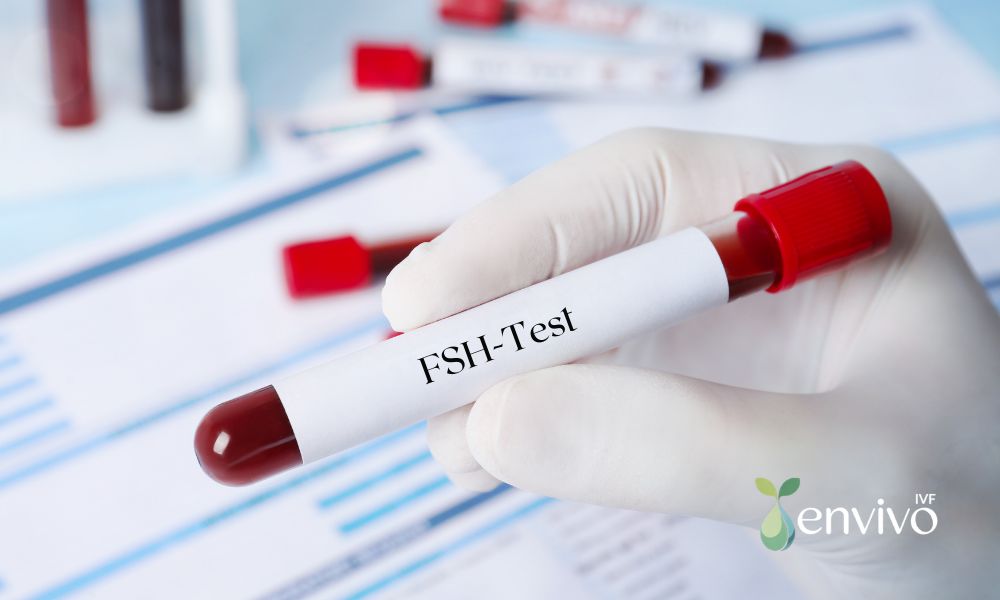
- FSH (Follicle Stimulating Hormone): High levels may indicate reduced ovarian function.
- E2 (Estradiol): Low levels may suggest hormonal insufficiency.
- AMH (Anti-Müllerian Hormone): Reflects ovarian reserve; low levels may indicate approaching menopause.
- Thyroid and prolactin tests: Used to exclude other hormonal disorders that may cause similar symptoms.
These tests are evaluated together to establish an accurate diagnosis.
Can Early Menopause Be Treated?
Although early menopause cannot always be completely reversed, symptoms can often be managed effectively and quality of life can be significantly improved.
Treatment Approaches
- Hormone Replacement Therapy (HRT): Used to balance declining hormone levels.
- Natural support: Vitamin D, calcium, omega-3, and phytoestrogen sources may provide supportive benefits.
- Psychological support: Helps manage emotional fluctuations.
- Lifestyle modifications: Regular exercise, balanced nutrition, and quitting smoking may positively affect the process.
These approaches can help the process progress in a more controlled and balanced way.
Early Menopause and Pregnancy
Early menopause reduces the chances of natural pregnancy because the ovaries no longer function regularly.
However, in some women, ovarian function may temporarily return.
In IVF treatment:
- If ovarian reserve is not completely depleted, pregnancy with the woman’s own eggs may still be possible.
- If ovarian reserve is severely diminished, donor egg options may be considered in some countries.
For this reason, early diagnosis provides a critical advantage for fertility planning.
Conclusion
Early menopause is not only about the end of menstruation; it is also a combination of hormonal, physical, and emotional changes.
Recognizing this process early is extremely important for preserving fertility potential and supporting overall health.
When symptoms are properly evaluated, the process can be managed more effectively, allowing stronger planning for the future.
At Envivo IVF, we carefully analyze hormone profiles and ovarian reserve in women at risk of early menopause, aiming to both preserve fertility and improve quality of life through personalized strategies.
Through our consultancy-based approach, we strive to make this journey more informed, controlled, and manageable.