Why Does an Embryo Fail to Implant?
The Most Common Causes of IVF Failure
What Is Embryo Implantation?
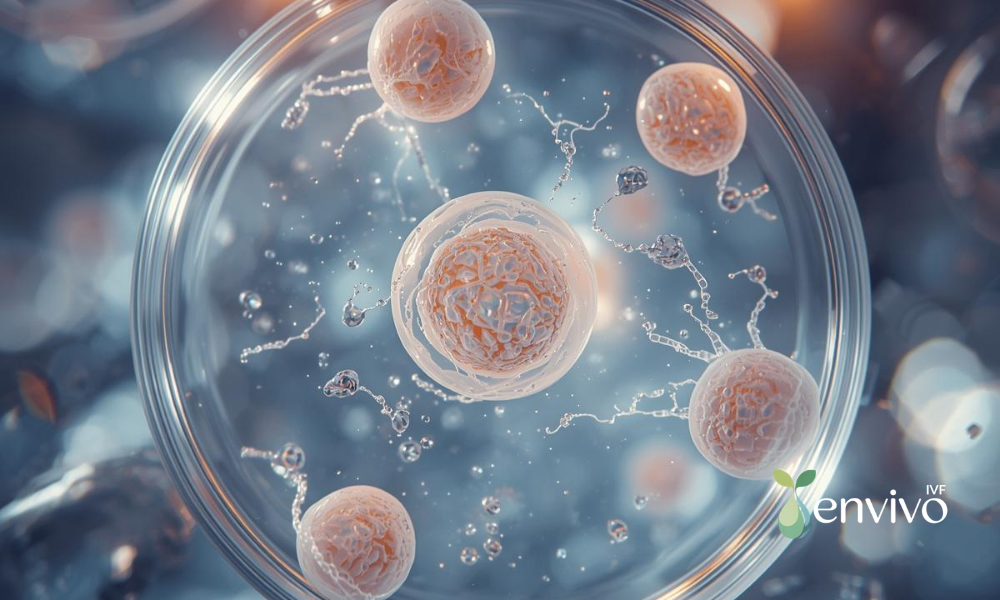
One of the most critical stages of IVF treatment is the implantation process, where the embryo attaches to the uterus. After fertilization in the laboratory, the embryo is transferred into the uterus once it reaches a certain stage of development. However, not every embryo transfer results in pregnancy, which shows that implantation is one of the most sensitive and variable stages of the IVF journey.
At this point, many couples may feel helpless after investing significant time, emotional energy, and hope into the treatment process. However, it is important to understand that implantation failure is often not random; it is usually linked to specific biological factors. When these causes are correctly analyzed, success rates in future attempts can improve significantly.
In some cases, the embryo may reach the uterus but still fail to implant, or its development may stop at a very early stage. Although this can be emotionally difficult, modern medical technologies now allow this process to be evaluated in much greater detail.
Main Causes of Embryo Implantation Failure
1. Embryo Quality
Embryo quality is one of the primary factors determining implantation success.
- Genetic abnormalities: If the embryo contains chromosomal abnormalities, the uterus may naturally reject it.
- Egg and sperm quality: Poor reproductive cell quality directly affects embryo development.
- Advanced maternal age: Especially after age 38, egg quality decreases, which can negatively affect embryo quality.
Possible Solutions
- Selecting healthy embryos through PGT (Preimplantation Genetic Testing)
- Lifestyle changes that support egg and sperm quality
- Antioxidant support and personalized medical planning
2. Uterine (Endometrial) Problems
For successful implantation, the uterine lining must have an appropriate thickness and structure.
- Thin endometrium (below 7 mm): The embryo may not receive sufficient support or nourishment
- Intrauterine adhesions (Asherman syndrome)
- Polyps and fibroids
- Chronic endometritis (silent infections)
Possible Solutions
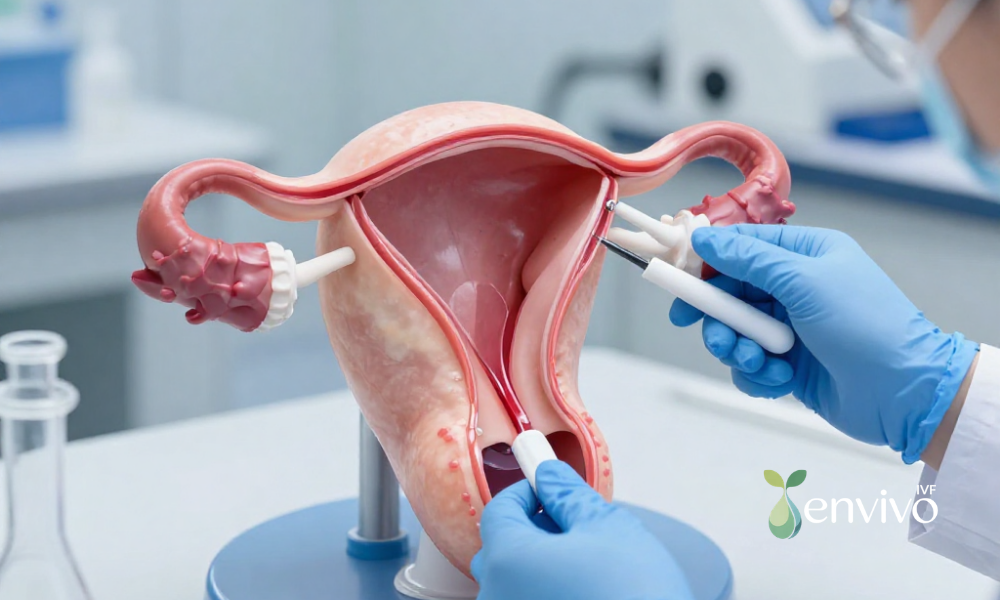
- Detailed uterine evaluation through hysteroscopy
- Surgical intervention when necessary
- Treatments aimed at improving endometrial thickness (estrogen therapy, PRP, etc.)
3. Hormonal Imbalances
Successful implantation requires hormones to be balanced and properly timed.
- Progesterone deficiency
- Thyroid disorders
- High prolactin levels
Possible Solutions
- Comprehensive hormone panel evaluation
- Progesterone supplementation
- Treatment of thyroid and other hormonal disorders
4. Immune System Factors
In some cases, the body may identify the embryo as a foreign structure.
- Increased NK (Natural Killer) cell activity
- Autoimmune diseases
Possible Solutions
- Immunological testing
- Immune-regulating therapies when necessary
5. Blood Clotting Disorders (Thrombophilia)
Healthy blood flow within the uterus is essential for embryo nourishment.
- Increased tendency for blood clotting
- Microcirculation problems
Possible Solutions
- Thrombophilia testing
- Blood-thinning treatments when appropriate
6. Lifestyle Factors
Daily lifestyle habits can directly influence implantation success.
- Smoking and alcohol use
- Chronic stress
- Poor or unbalanced nutrition
Possible Solutions
- Healthy nutrition planning
- Regular sleep and stress management
- Vitamin and mineral support (Vitamin D, Omega-3, folic acid, etc.)
7. Timing of Embryo Transfer
The timing of embryo transfer is critically important.
- Incorrect determination of the implantation window
- Poor synchronization between the uterus and embryo
Possible Solutions
- Determining personalized transfer timing through the ERA test
Can Implantation Failure Happen Repeatedly?
Some couples may experience multiple failed attempts. This condition is referred to as recurrent implantation failure. However, this does not necessarily mean permanent infertility. On the contrary, when evaluated in detail, each unsuccessful attempt can provide valuable information that helps improve the chances of success in future cycles.
Recommendations to Improve Implantation Success
- Detailed evaluation of uterine and hormonal health
- Genetic and immunological testing when necessary
- Adopting healthy lifestyle habits
- Stress management
- Creating a personalized treatment plan
Frequently Asked Questions
Why does an embryo fail to implant?
Implantation failure is usually caused by factors such as embryo quality, uterine structure, hormonal imbalances, or immune system-related issues. In many cases, analyzing these causes can significantly improve future success rates.
Can implantation failure happen repeatedly?
Yes, some couples may experience recurrent implantation failure. However, with detailed testing and personalized treatment strategies, success rates in future attempts can improve considerably.
How can embryo implantation be improved?
Evaluating uterine health, balancing hormones, performing genetic testing, maintaining a healthy lifestyle, and optimizing embryo transfer timing are among the most important factors that can improve implantation success.
Conclusion
Embryo implantation failure can occur due to multiple interacting factors. However, this does not mean permanent treatment failure. With accurate diagnosis, detailed evaluation, and personalized treatment planning, the chances of success in future attempts can increase significantly.
At Envivo IVF, we comprehensively evaluate all factors affecting embryo implantation and create individualized treatment strategies for every patient. Throughout this process, we also support our patients through our consultancy services in the Turkish Republic of Northern Cyprus .