
What Is the ERA Test? Personalized Embryo Transfer in IVF Treatment
Why Is the ERA Test Performed?
In IVF (in vitro fertilization) treatment, embryo transfer is one of the most critical stages determining pregnancy success.
In some women, even when the embryo is of high quality, the uterus may not be ready to accept it.
Failing to achieve results despite good-quality embryos can be confusing and emotionally challenging for many women.
The ERA test (Endometrial Receptivity Analysis) is an advanced genetic test that identifies the most suitable time for the uterus to accept an embryo.
This allows embryo transfer to be planned according to each woman’s unique biological “implantation window.”
What Is the ERA Test?
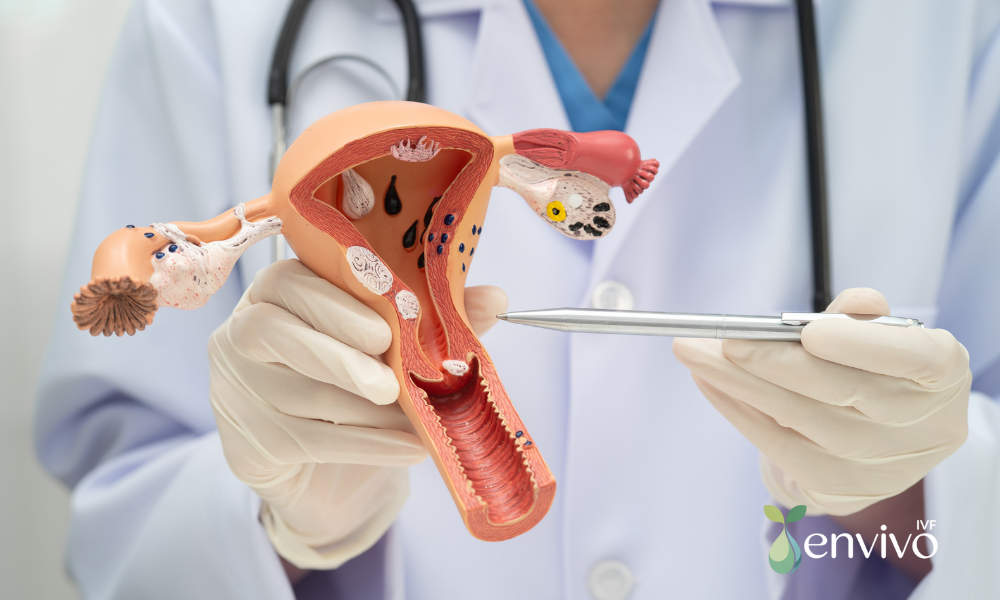
The ERA test analyzes the genetic profile of the uterine lining (endometrium) to determine the optimal timing for embryo implantation.
A small biopsy sample taken from the uterine lining is examined in a laboratory for the activity of more than 238 genes.
This analysis reveals whether the uterus is “receptive,” meaning ready to accept an embryo.
When Is the ERA Test Performed?
The ERA test is generally recommended for:
Women with repeated IVF failures
Cases where high-quality embryos fail to implant
Women with a normal uterine structure but unexplained implantation failure
The test is typically performed in a cycle where no embryo transfer takes place.
During this cycle, the uterus is prepared as if a transfer were planned, and a biopsy is taken on a specific day.
How Is the ERA Test Performed?
1. Uterine Preparation
The endometrium is prepared using estrogen and progesterone medications.
This process is similar to the preparation phase of a standard embryo transfer in IVF.
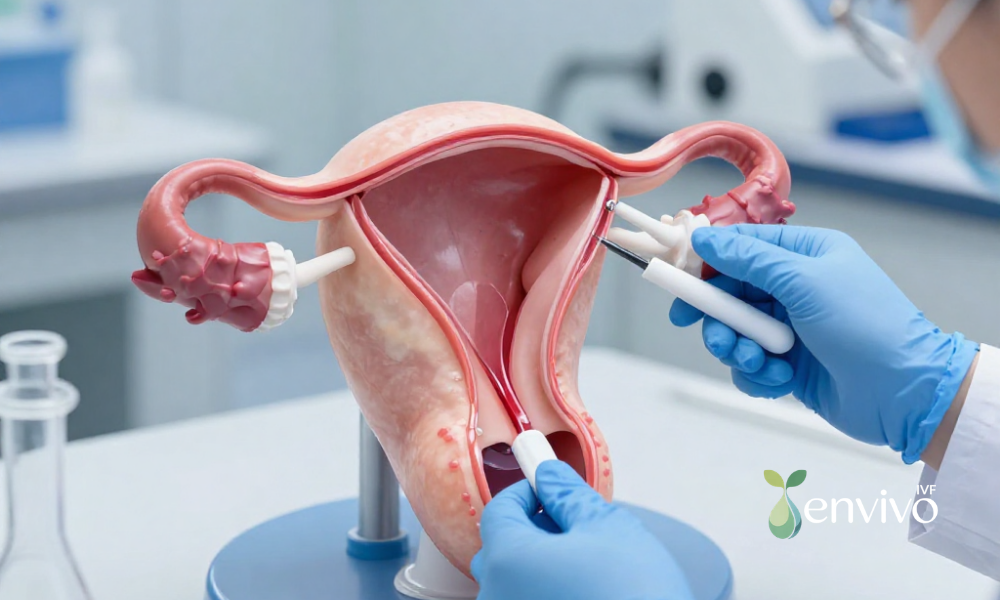
2. Biopsy Collection
On a specific day of progesterone treatment (usually day 5 or 6), a small tissue sample is taken from the uterus.
The procedure is quick and does not require anesthesia.
3. Genetic Analysis
The sample is analyzed in a specialized laboratory.
The results indicate whether the uterus is ready to receive an embryo.
How Are ERA Test Results Interpreted?
Results are typically reported in three categories:
Receptive: The uterus is ready for embryo transfer
Pre-receptive: The uterus is not yet ready; transfer should be delayed by a few hours or days
Post-receptive: The optimal window has passed; transfer should be performed earlier
Based on these results, embryo transfer in the next IVF cycle is scheduled with personalized timing.
Advantages of the ERA Test
Enables personalized embryo transfer timing
Helps identify causes of repeated implantation failure
May increase implantation rates
Reduces unnecessary treatment attempts, saving time and cost
Who Should Consider the ERA Test?
Women with two or more failed IVF attempts
Cases with high-quality embryos but no pregnancy
Unexplained implantation failure despite normal uterine structure
Patients planning frozen embryo transfer
Treatment Planning After the ERA Test
Based on the ERA result, the embryo transfer day is personalized.
This ensures that the embryo is transferred during the uterus’s optimal implantation window.
In some women, this window may shift from the standard day 5 to day 4 or day 6—the ERA test identifies this difference.
Does the ERA Test Improve Success Rates?
Scientific studies suggest that the ERA test can improve pregnancy rates, particularly in women with repeated implantation failure.
Since each woman’s uterus becomes receptive at a different time, this personalized approach can increase the chances of success.
Frequently Asked Questions
Is the ERA test performed for everyone?
No. It is generally recommended for women with repeated IVF failures or implantation issues despite high-quality embryos. It is not routinely performed in the first attempt.
Does the ERA test guarantee implantation?
No. The ERA test does not guarantee pregnancy, but it helps optimize the timing of embryo transfer, increasing the chances of implantation.
Does the ERA test need to be repeated?
Usually not. The uterine receptivity profile remains stable in most women. However, if there has been a long interval or significant hormonal changes, reevaluation may be recommended.
Conclusion
The ERA test is an innovative method that personalizes the timing of embryo transfer in IVF treatment.
In cases where pregnancy does not occur despite good embryo quality, accurately identifying the uterus’s biological timing becomes crucial.
At Envivo IVF, we analyze each patient’s endometrial receptivity profile through the ERA test and plan embryo transfer at the most optimal time to maximize the chances of pregnancy.