
Female Fertility After Age 30: Facts and Myths
Does Fertility Really Decline in Your 30s?
Female fertility naturally changes with age.
There is a common belief in society that “it becomes difficult to get pregnant after age 30,” but this is not the same for every woman.
Many women entering their 30s may begin to feel as though they are racing against time and develop concerns about their fertility.
Thanks to advances in modern medicine, healthy pregnancies are possible even in the late 30s and approaching 40.
However, understanding the biological realities is essential for making the right decisions at the right time.
Fact: Female Fertility Begins to Decline in the 30s
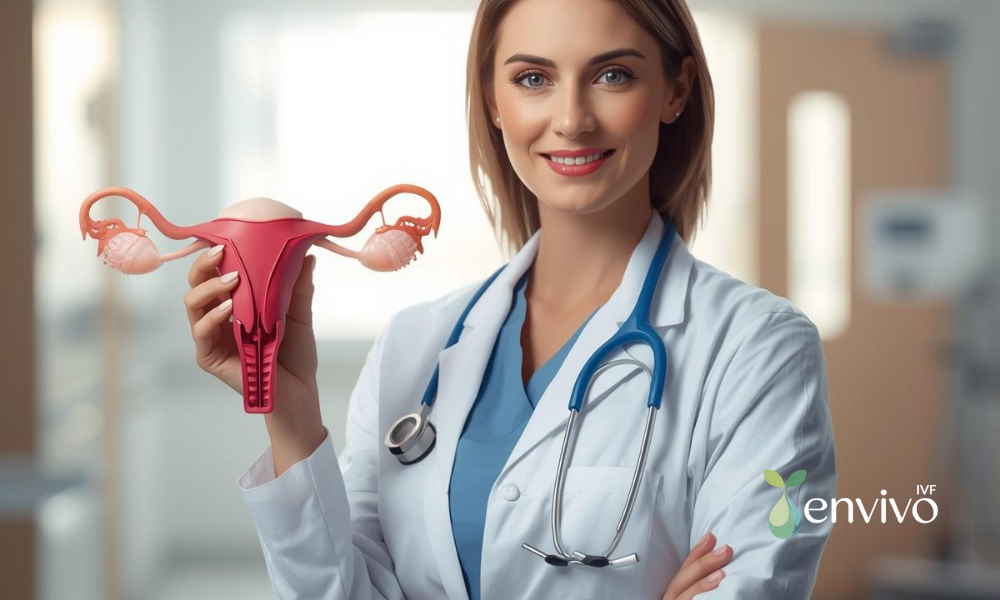
Women are born with a fixed number of eggs.
This ovarian reserve decreases with age, and the decline accelerates after age 30.
Average Ovarian Reserve
20s: High egg quantity and quality
30–35: Mild decline
After 35: Rapid decline
After 40: Significant decrease in both quantity and quality
This decline can reduce the chances of pregnancy and increase the risk of miscarriage.
Myth: Getting Pregnant After 30 Is Very Difficult
This is not true.
Many women in their 30s can conceive naturally or with the help of assisted reproductive treatments.
Facts
At age 30: Monthly pregnancy chance is approximately 20–25%
At age 35: Around 15%
At age 40: Around 5%
While fertility decreases after 30, pregnancy is still very much possible.
Fact: Egg Quality Declines with Age
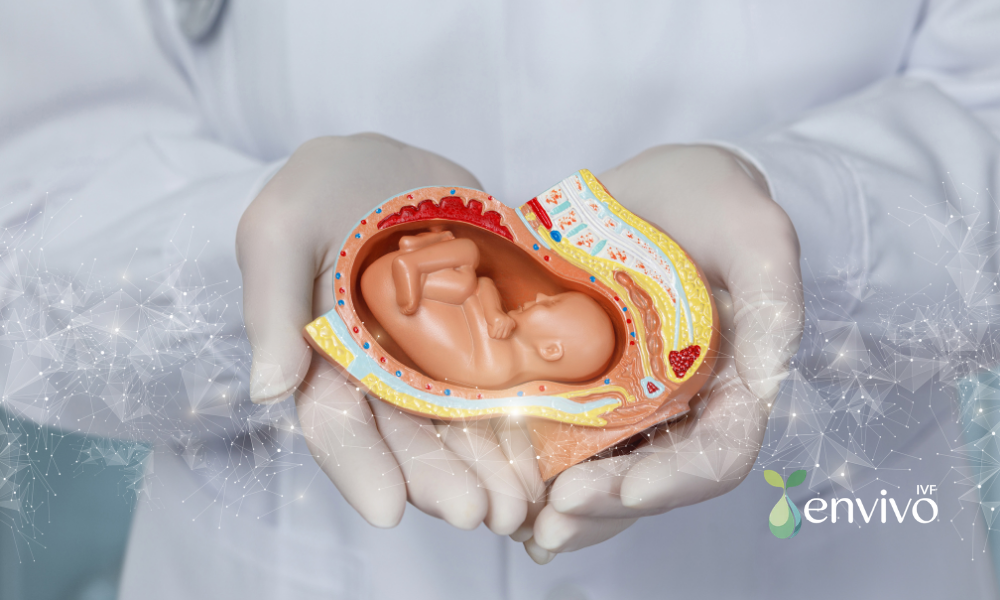
The genetic structure of eggs changes over time.
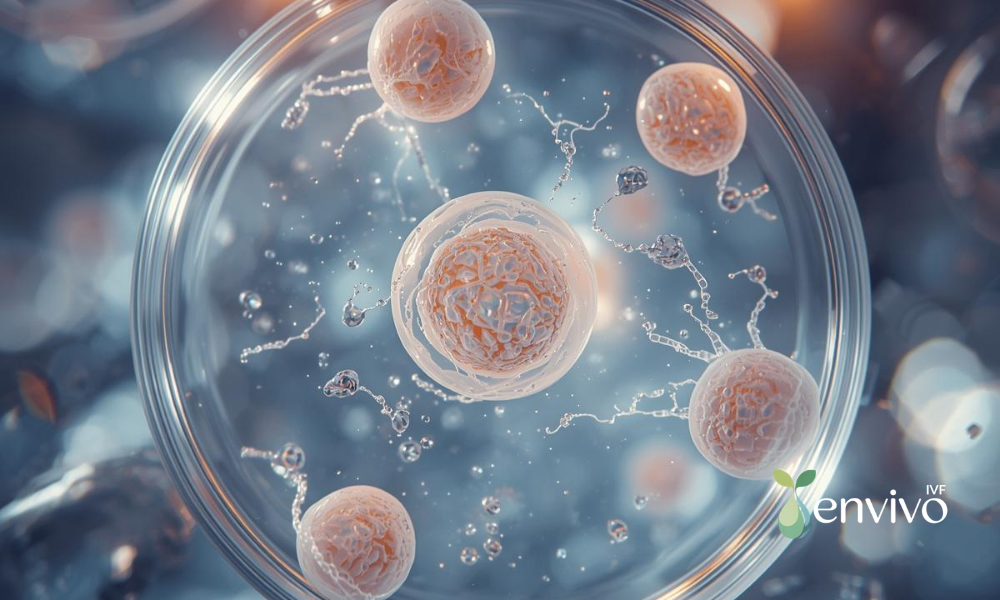
This may increase the risk of chromosomal abnormalities in embryos.
As a result:
Pregnancy chances may decrease
Miscarriage risk may increase
Selecting healthy embryos may become more challenging
However, advanced technologies such as PGT (Preimplantation Genetic Testing) can help reduce these risks by identifying healthy embryos.
Myth: Pregnancy After 30 Is Always Risky
Pregnancy in the 30s usually progresses smoothly with proper monitoring and a healthy lifestyle.
Risks become more noticeable after age 35, but even then, they do not apply equally to every woman.
What to Pay Attention to During Pregnancy
Regular medical check-ups
Monitoring thyroid, blood sugar, and blood pressure
Healthy nutrition and regular exercise
Folic acid and vitamin D supplementation
Fact: Lifestyle Significantly Affects Fertility
In addition to age, lifestyle plays a crucial role.
Smoking and alcohol: Accelerate ovarian aging
Stress: Disrupts hormonal balance
Poor nutrition: Negatively affects ovarian function
Lack of sleep: Reduces hormone production
Healthy lifestyle habits can be just as important as age in preserving fertility.
Myth: IVF Is the Only Option After 30
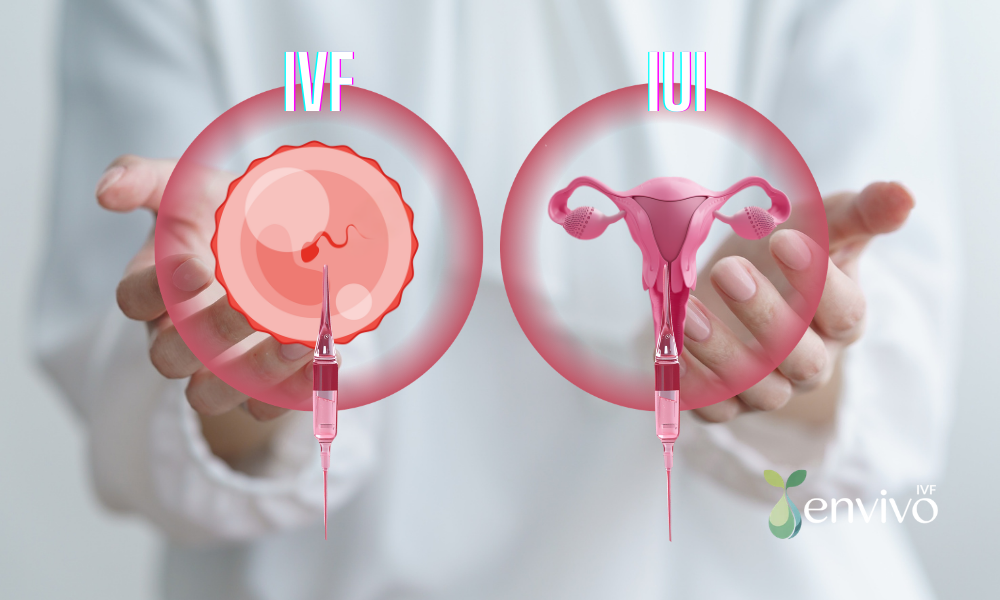
IVF is an effective method when fertility declines, but it is not the only option.
Pregnancy can also be achieved through:
Ovulation tracking
Ovulation induction with medication
Intrauterine insemination (IUI)
IVF is generally preferred when:
Ovarian reserve is low
Fallopian tubes are blocked
Sperm count is low
Other treatments have not been successful
Fact: Egg Freezing Is One of the Most Effective Preservation Methods in the 30s
Egg freezing is an important option for women who wish to preserve their fertility.
When performed in the 30s, results are more effective due to higher egg quality.
This allows for the possibility of pregnancy later in life using eggs retrieved at a younger age.
Myth: Miscarriage Is Inevitable After 30
Although miscarriage risk increases with age, it is still relatively low in the 30s.
At age 30: Approximately 10–12%
At age 40: Approximately 30–40%
This means that the likelihood of a healthy pregnancy in the 30s remains high.
Fact: Regular Check-Ups Help Preserve Fertility
Women over 30 are advised to have a fertility evaluation at least once a year.
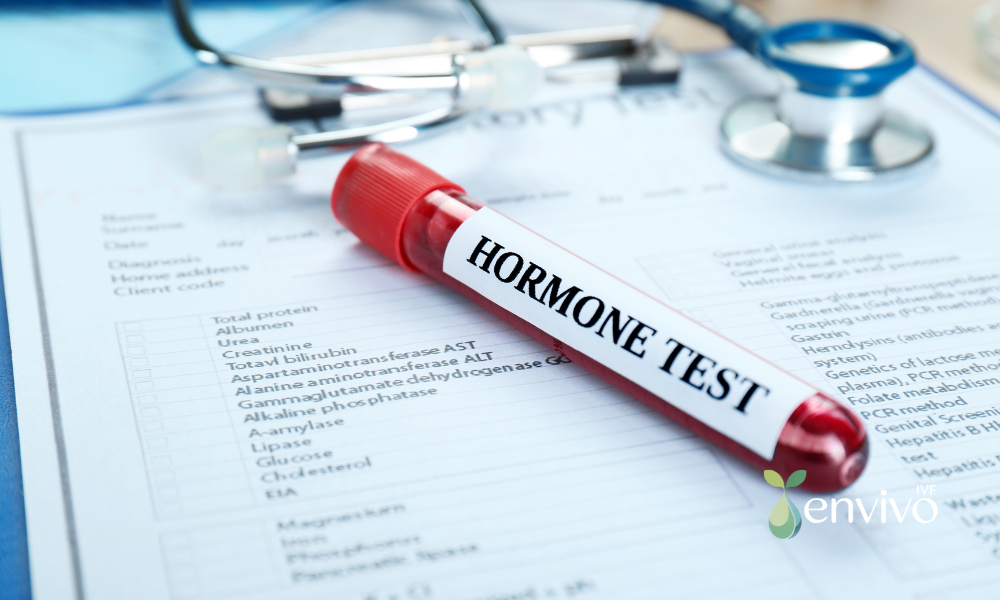
This evaluation may include:
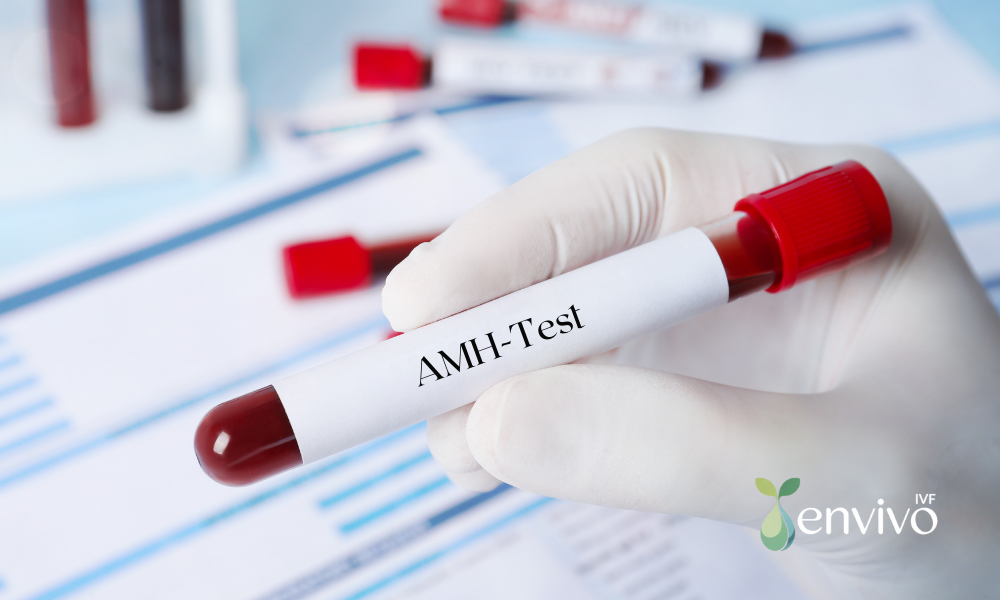
AMH test (ovarian reserve)
Antral follicle count via ultrasound
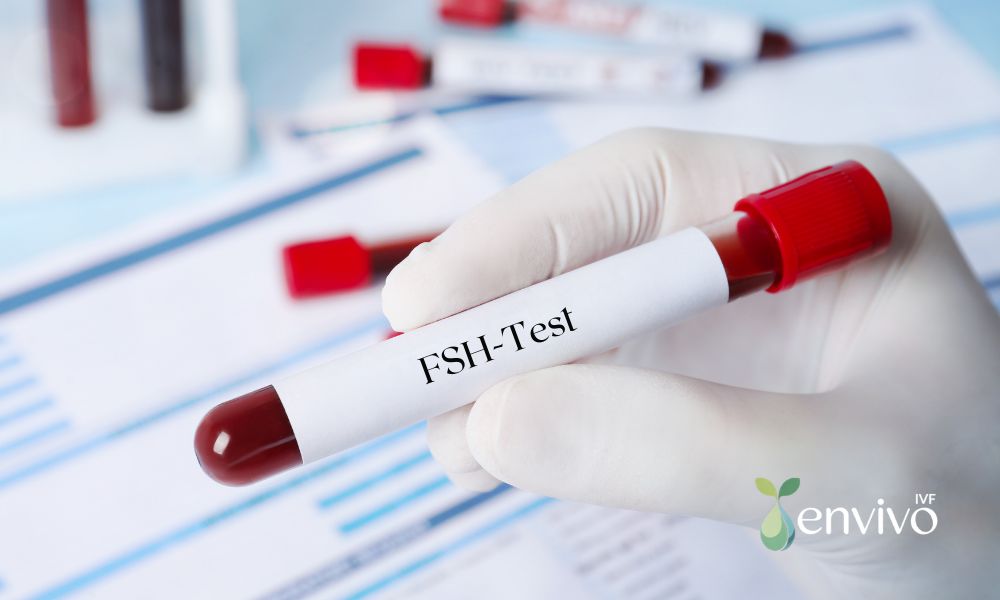
Hormone profile (FSH, LH, E2, TSH, Prolactin)
These tests provide insight into fertility capacity and allow for early intervention if needed.
Frequently Asked Questions
Is it difficult to get pregnant after 30?
No. Although fertility gradually declines, pregnancy is still very possible both naturally and with assisted reproductive methods.
How can fertility be preserved in the 30s?
Regular fertility evaluations, a healthy lifestyle, and fertility preservation methods such as egg freezing can help.
Is IVF necessary after 30?
No. Many women can achieve pregnancy through ovulation tracking, medication, or IUI. IVF is typically considered when other methods are unsuccessful.
Conclusion
Although fertility begins to decline after age 30, becoming a mother during this period is still highly achievable.
Understanding the facts allows for informed decisions without being influenced by myths.
At Envivo IVF, we analyze ovarian reserve, hormonal balance, and lifestyle factors in women aged 30 and above in detail, and aim to maximize the chances of pregnancy through personalized treatment planning.