
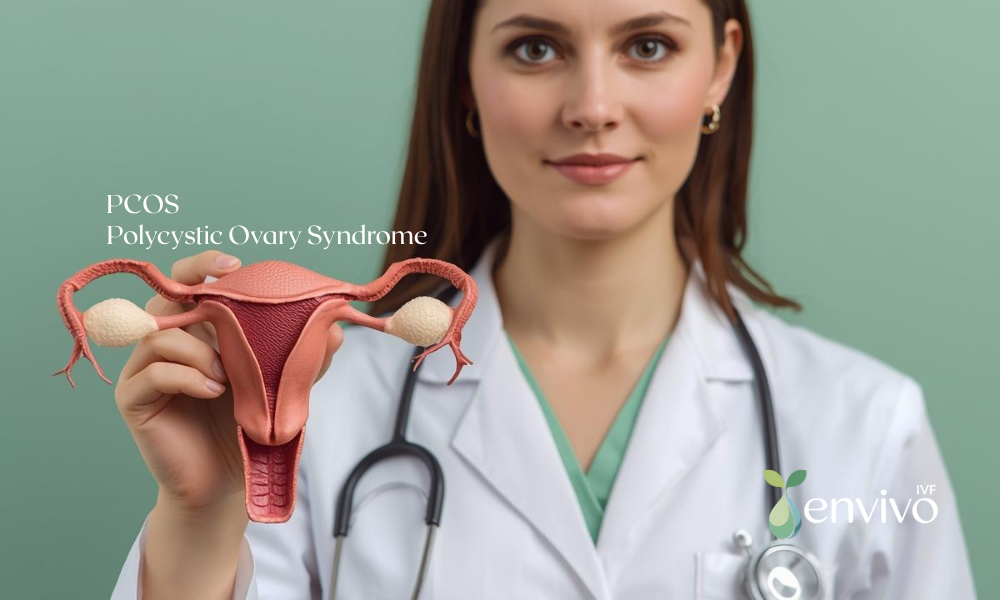
What Is Polycystic Ovary Syndrome (PCOS)?
One of the Most Common Yet Most Misunderstood Gynecological Diagnoses
Polycystic Ovary Syndrome (PCOS) is a condition that many women have heard of, yet do not fully understand.
For most women, the diagnosis first comes to light through symptoms such as irregular menstrual cycles, increased hair growth, or difficulty managing weight. For others, it becomes a concern when they experience difficulty getting pregnant.
PCOS is not just a condition related to the ovaries. It is a multifaceted hormonal imbalance that can also affect metabolism and, in some cases, psychological well-being. For this reason, it can present with different symptoms in each individual.
In this article, we explain PCOS in a clear and step-by-step manner, without overwhelming you with complex medical terminology.
What Does Polycystic Ovary Syndrome (PCOS) Mean?
PCOS occurs as a result of an imbalance in the hormonal system that regulates the proper functioning of the ovaries.
Due to this imbalance, the ovaries may not be able to carry out regular ovulation each month.
In PCOS, it is commonly observed that:
Ovulation becomes irregular or may not occur at all
Multiple small follicles are seen in the ovaries
Male hormones (androgens) may rise above normal levels
It is important to clarify a common misconception:
The term “polycystic” does not mean that these structures are true cysts. They are actually small, immature follicles that have not fully developed.
How Common Is PCOS?
PCOS affects approximately 10–15% of women of reproductive age.
This means that about 1 in 10 women may have PCOS.
Many women may not realize they have PCOS for years, as symptoms can be mild or attributed to other causes. This often leads to delayed diagnosis.
What Are the Symptoms of PCOS?
One of the most confusing aspects of PCOS is that symptoms can vary significantly from one woman to another.
The most common symptoms include:
Irregular or infrequent menstrual cycles
Irregular ovulation
Increased hair growth on the face, chin, or body
Persistent acne in adulthood
A tendency to gain weight and difficulty losing it
Hair thinning or hair loss
Difficulty achieving pregnancy
Not all symptoms need to be present at the same time. Some women may experience only one or two.
What Causes PCOS?
PCOS does not have a single cause. It is usually the result of multiple contributing factors.
The most commonly associated factors include:
Genetic predisposition (family history)
Insulin resistance (how the body processes sugar)
Hormonal imbalances
Metabolic factors
For this reason, PCOS should be considered not only a gynecological condition but also a hormonal and metabolic disorder.
How Is PCOS Diagnosed?
PCOS cannot be diagnosed with a single test.
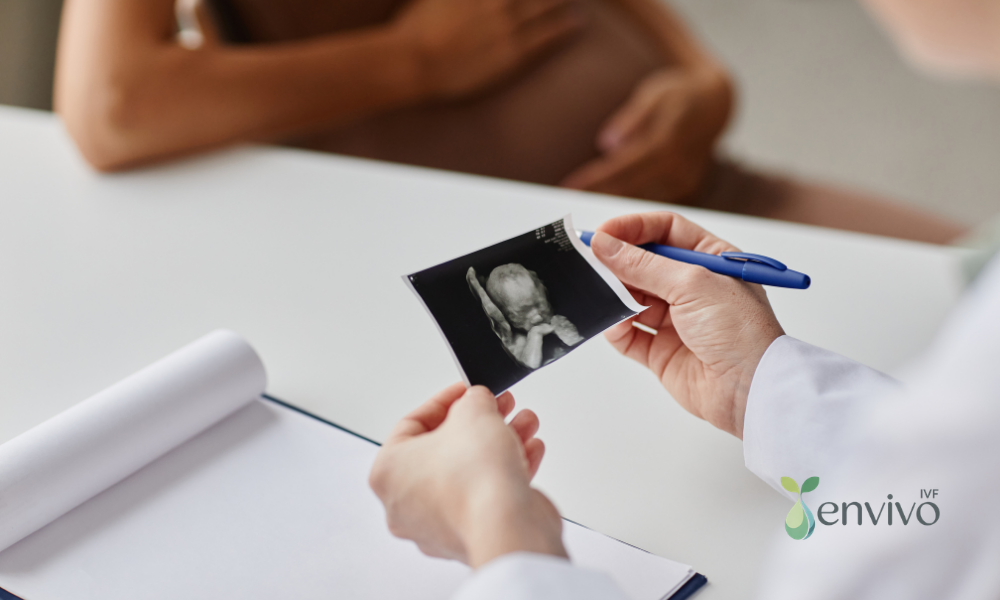
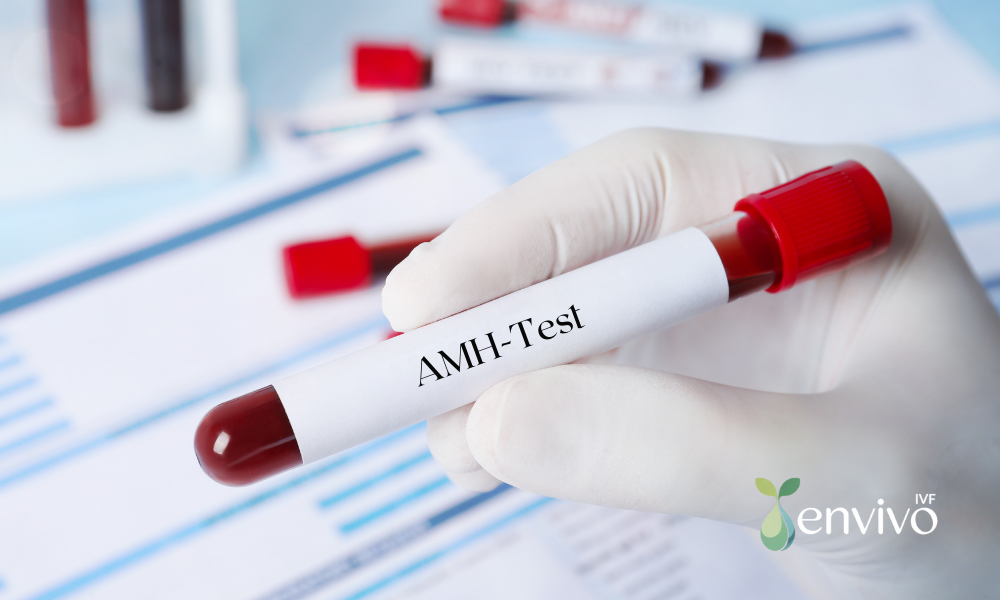
Diagnosis is made by evaluating symptoms, blood tests, and ultrasound findings together.
Typically, the presence of at least two of the following three criteria is sufficient:
Irregular or absent ovulation
Elevated androgen levels or clinical signs
Polycystic ovarian appearance on ultrasound
The diagnostic process is always individualized and requires careful evaluation.
Does PCOS Prevent Pregnancy?
This is one of the most common concerns among women diagnosed with PCOS.
PCOS does not prevent pregnancy.
However, it may delay conception because it can interfere with ovulation.
Many women with PCOS can conceive:
Naturally
With simple ovulation support
Or, if necessary, through assisted reproductive technologies
The Relationship Between PCOS and IVF (In Vitro Fertilization)
Not every woman with PCOS requires IVF treatment.
However, in some cases, it may become a suitable option.
Especially when:
Ovulation cannot be achieved for a long time
Other treatments have not been successful
Additional infertility factors are present
Women with PCOS often have an advantage in terms of egg quantity. However, they may also be more sensitive to hormonal treatments, which requires careful planning.
For this reason, a personalized IVF approach is crucial in PCOS cases.
Can PCOS Be Treated?
PCOS is not a condition that can be completely eliminated.
However, it can be very effectively managed with the right approach.
Treatment and management are shaped based on:
The patient’s symptoms
Lifestyle
Whether there is a desire for pregnancy
The main goals are:
To support hormonal balance
To regulate ovulation
To protect long-term health
When Should You Seek Specialist Support?
Evaluation is recommended in the following situations:
Long-standing menstrual irregularities
Planning for pregnancy
No pregnancy after 6–12 months
A PCOS diagnosis accompanied by uncertainty or confusion
Early support makes the process both shorter and more manageable.
Next Step
A PCOS diagnosis is not something to fear, but a condition that can be effectively managed with the right knowledge.
The key is not to go through this process alone, but with the right guidance.
The Envivo IVF consulting approach aims to simplify complex conditions like PCOS by creating a personalized and well-informed roadmap for each individual.







?)