What Should Endometrial Thickness Be?
A Critical Factor in Pregnancy and IVF Success
Why Is Endometrial Thickness Important?
Endometrial thickness (uterine lining thickness) is one of the most critical factors for successful embryo implantation. Both in natural conception and IVF treatment, the uterine lining must reach an appropriate thickness and structure in order for the embryo to implant successfully.
The endometrium should not only be evaluated based on thickness, but also in terms of structural quality and blood flow. An endometrium that is too thin or excessively thick may make implantation more difficult and directly affect pregnancy success.
What Is the Endometrium?
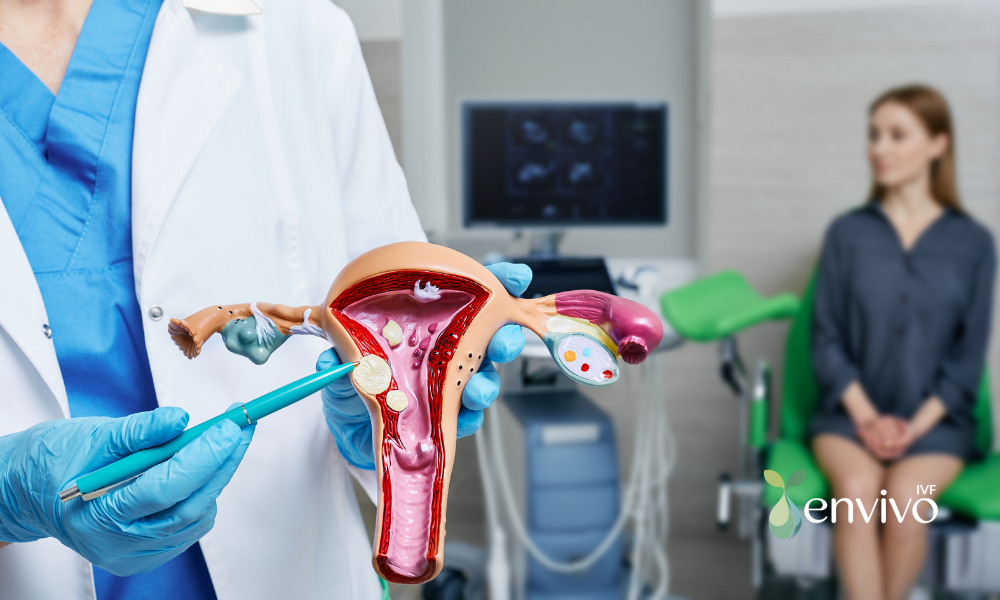
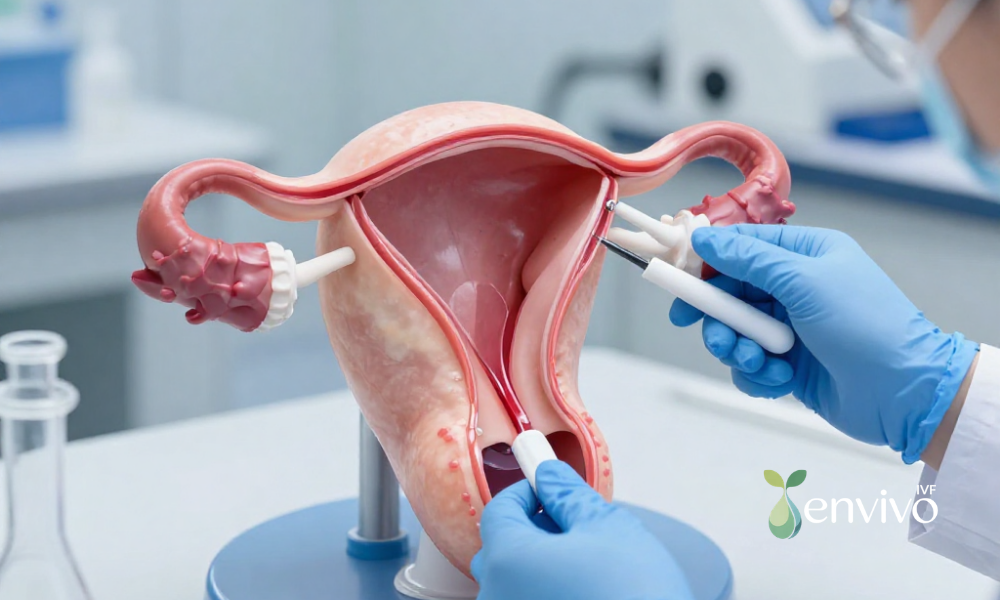
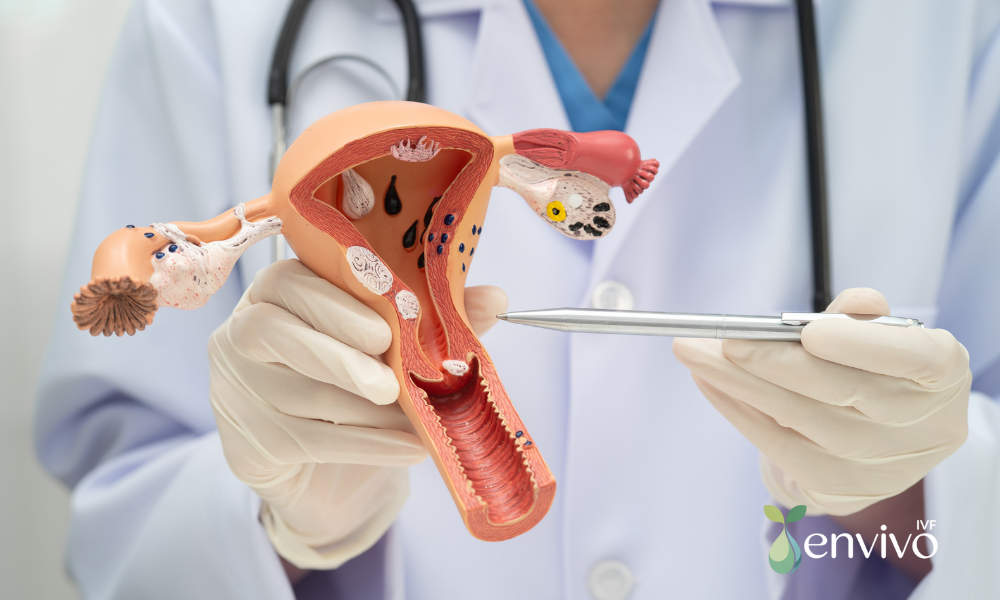
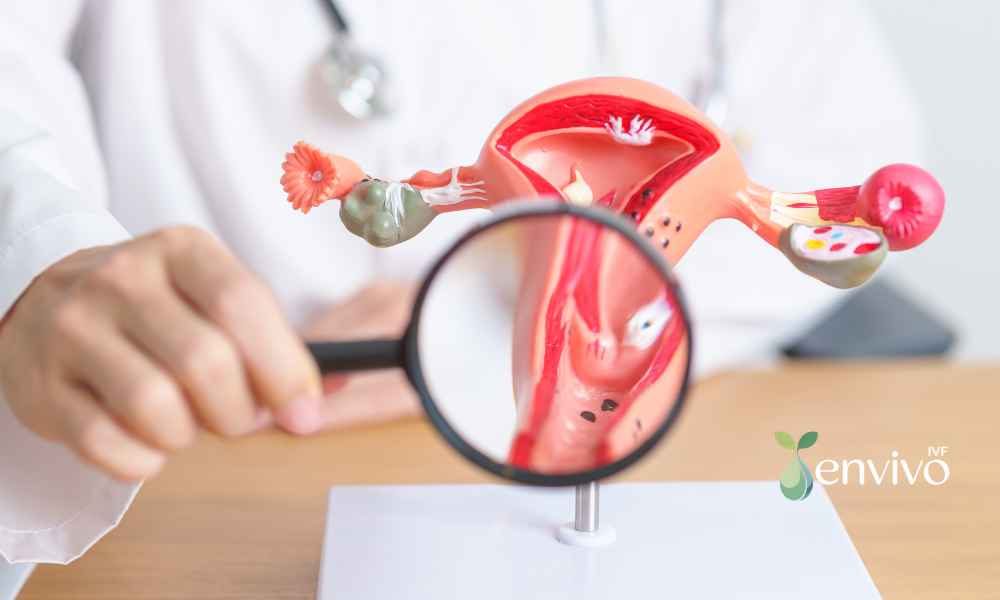
The endometrium is the specialized tissue lining the inner surface of the uterus that renews itself during each menstrual cycle.
- At the beginning of the cycle, it is thin
- As ovulation approaches, it thickens under the influence of estrogen
- After ovulation, progesterone prepares it for embryo implantation
- If pregnancy does not occur, it sheds during menstruation
This cycle is a natural process that prepares the uterus for a possible pregnancy every month.
What Should Endometrial Thickness Be?
1. For Natural Pregnancy
- Ideal thickness: 8–12 mm
- Minimum acceptable thickness: 7 mm
Below 7 mm, the chances of embryo implantation may decrease significantly.
2. During IVF Treatment
- Ideal range before embryo transfer: 8–12 mm
- Below 7 mm: Thin endometrium
- Above 13–14 mm: Thick endometrium
For this reason, IVF specialists evaluate not only thickness but also structural characteristics such as the triple-line (trilaminar) pattern.
Factors Affecting Endometrial Thickness
1. Hormone Levels
- Estrogen: Helps the endometrium thicken
- Progesterone: Creates a suitable environment for implantation
Hormonal imbalances may prevent the uterine lining from reaching optimal thickness.
2. Blood Flow to the Endometrium
Adequate blood circulation is essential for healthy endometrial development.
- Smoking
- Circulatory problems
- Reduced blood flow
may contribute to a thin endometrium.
3. Structural Uterine Problems
- Polyps and fibroids
- Intrauterine adhesions (Asherman syndrome)
- Previous infections or surgical procedures
may negatively affect the structure of the uterine lining.
4. Age Factor
As age advances, estrogen production decreases, which may negatively impact endometrial thickness.
How Is Endometrial Thickness Measured?
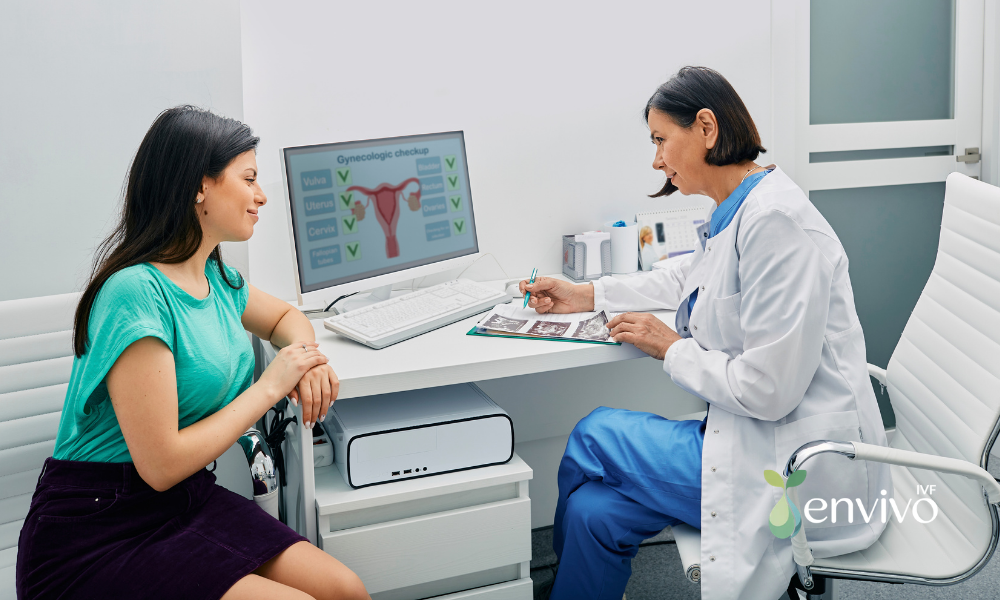
Endometrial thickness is usually measured through a transvaginal ultrasound.
- Typically evaluated between days 10–14 of the menstrual cycle
- Measured in millimeters (mm)
- Both thickness and tissue structure are analyzed together
What Does Thin Endometrium (Below 7 mm) Mean?
A thin endometrium may reduce implantation chances; however, it is often treatable.
Possible Causes
- Low estrogen levels
- Intrauterine adhesions
- Poor blood circulation
- Long-term contraceptive use
Treatment Options
- Estrogen therapy
- Blood-flow-enhancing support treatments
- PRP therapy
- Nutrition and lifestyle modifications
What Does Thick Endometrium (Above 13 mm) Mean?
An excessively thick endometrium may also negatively affect implantation.
- Often associated with hormonal imbalances
- Polyps or fibroids may be present
- Hysteroscopy may be required in some cases
Recommendations to Improve Endometrial Thickness
- Nutrition rich in iron, vitamin E, and omega-3
- Avoiding smoking and alcohol
- Regular exercise
- Stress management
- Adequate water intake
Frequently Asked Questions
What should endometrial thickness be?
The ideal uterine lining thickness is generally considered to be between 8–12 mm. Below 7 mm may be considered thin, while above 13 mm may sometimes be considered unfavorable.
Does a thin endometrium prevent pregnancy?
A thin endometrium may reduce the chances of pregnancy, but with appropriate treatment methods, pregnancy may still be possible.
How can endometrial thickness be increased?
Estrogen therapy, treatments that improve blood circulation, PRP therapy, and healthy lifestyle habits may help improve endometrial thickness.
Conclusion
Endometrial thickness is one of the most important factors directly affecting pregnancy and IVF success. Although the ideal range is generally between 8–12 mm, every patient is unique, and not only thickness but also the structural and biological quality of the endometrium should be evaluated.
At Envivo IVF, we evaluate not only uterine lining thickness, but also hormone balance, ovarian reserve, and overall reproductive health through a comprehensive approach. During the treatment process, we provide consultancy services focused on selecting the right clinic and specialist, personalized planning, and full process coordination. Our goal is to make the journey more understandable, structured, and manageable while maximizing the chances of pregnancy.
In IVF treatment, success depends not only on the treatment itself, but also on choosing the right center, the right timing, and a personalized strategy. At Envivo IVF, we analyze each patient’s individual needs to determine the most appropriate clinic and treatment approach, offering comprehensive consultancy support throughout the entire journey.
As part of this process, we also support our patients through our consultancy services in the Turkish Republic of Northern Cyprus .