What Is Endometriosis?
What Is Endometriosis?
A Gynecological Condition That Can Progress Silently but Be Managed with the Right Information
Endometriosis is a condition that many women live with for years without knowing its name.
For some, it becomes apparent through severe menstrual cramps; for others, through chronic pelvic pain; and for some, it comes to light when they experience difficulty getting pregnant.
This condition is often overlooked with the belief that “painful periods are normal.”
However, endometriosis is not merely a menstrual issue; it is a health condition that can affect both a woman’s quality of life and fertility.
In this article, we address endometriosis in a clear and accessible way, without using complex medical terminology.
What Does Endometriosis Mean?
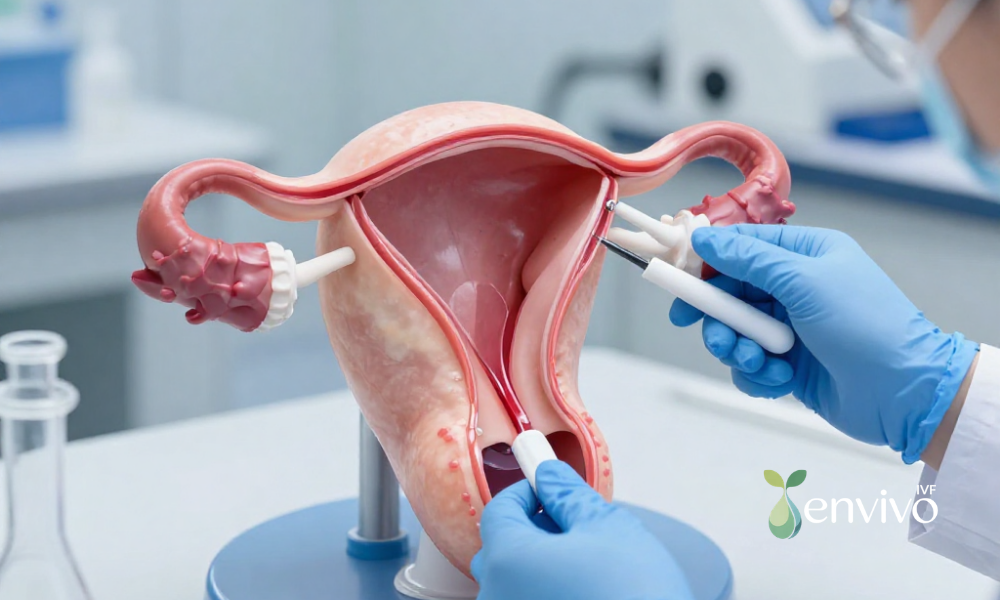
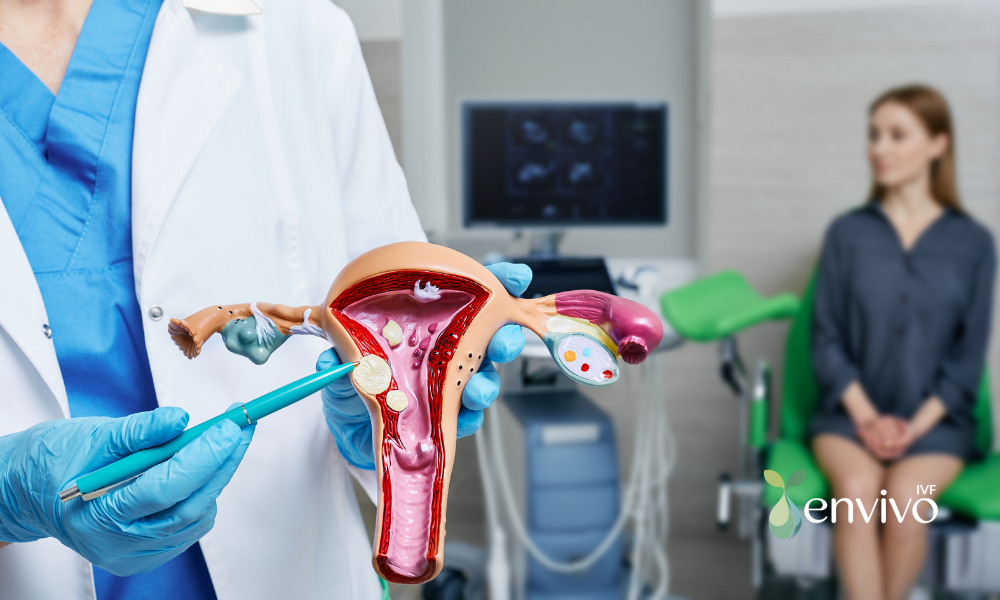
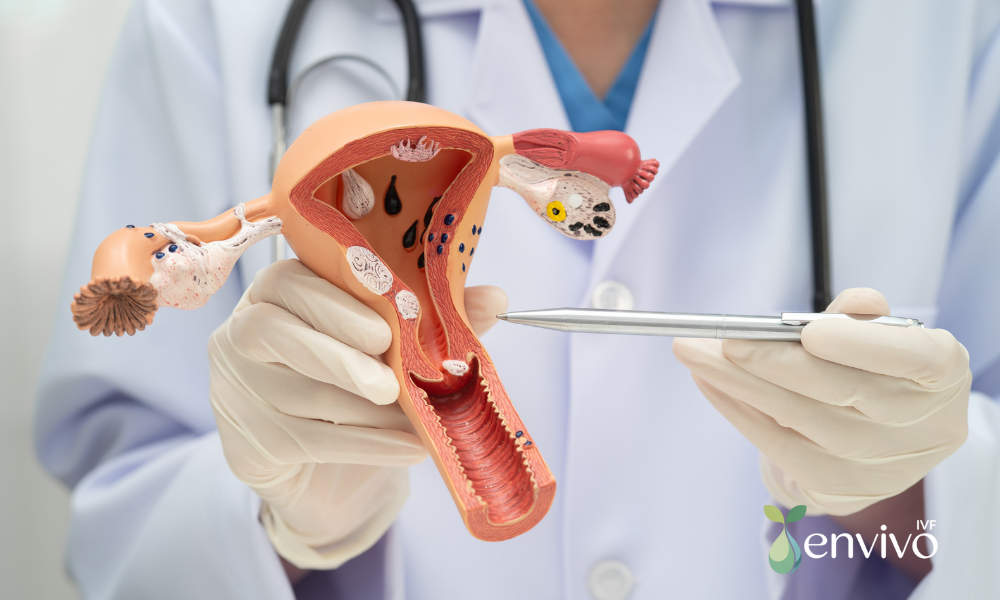
Endometriosis is a condition in which the tissue that lines the inner surface of the uterus (the endometrium) grows outside the uterus.
This tissue is most commonly found in:
-
The ovaries
-
The fallopian tubes
-
Behind the uterus
-
The pelvic region
It can be found in these areas.
Normally, the tissue inside the uterus is shed from the body each month during menstruation.
However, endometrial tissue located outside the uterus cannot be expelled, which over time may lead to inflammation, pain, and adhesions.
How Common Is Endometriosis?
Endometriosis affects approximately 10% of women of reproductive age.
However, diagnosis is often delayed because its symptoms can be mistaken for other conditions or considered “normal.”
Many women only discover the cause of the pain they have endured for years at a later stage.
What Are the Symptoms of Endometriosis?
Endometriosis symptoms can vary from person to person.
In some women, they may be very mild, while in others, they can significantly impact daily life.
The most common symptoms include:
-
Severe menstrual cramps
-
Pelvic pain that continues before and after menstruation
-
Pain during sexual intercourse
-
Chronic lower back or lower abdominal pain
-
Pain related to bowel movements or urination during menstruation
-
Difficulty getting pregnant
Not every person with endometriosis experiences severe pain.
The level of pain does not always correlate with the extent of the disease.
What Causes Endometriosis?
The exact cause of endometriosis is not fully understood.
However, it is believed that multiple factors may play a role together:
-
Genetic predisposition
-
Hormonal factors (especially estrogen)
-
Immune system–related factors
-
Backward flow of menstrual blood (retrograde menstruation)
Therefore, endometriosis is considered a condition that affects not just a single organ, but the entire hormonal system.
How Is Endometriosis Diagnosed?
Diagnosing endometriosis is not always straightforward.
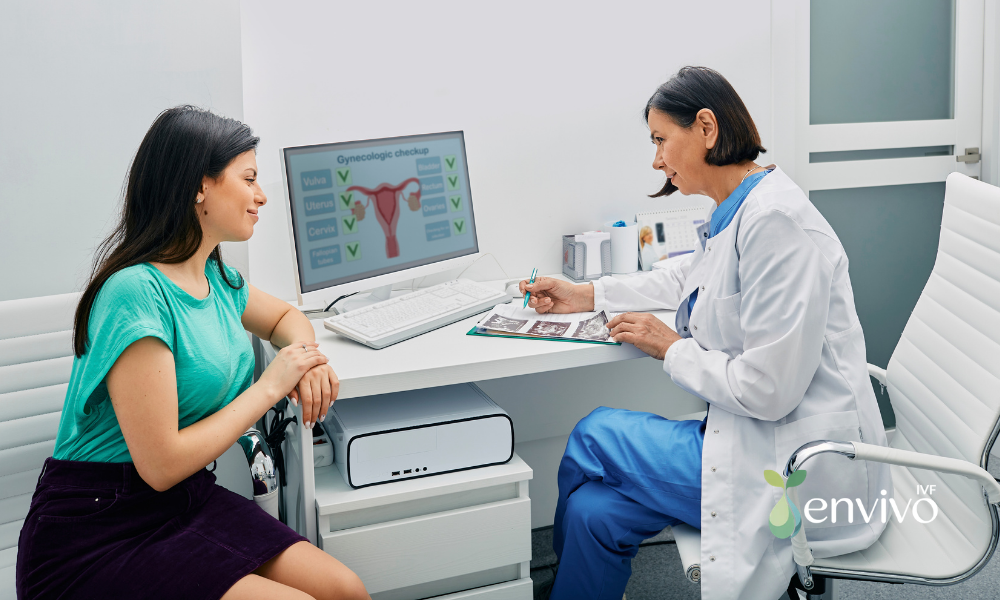
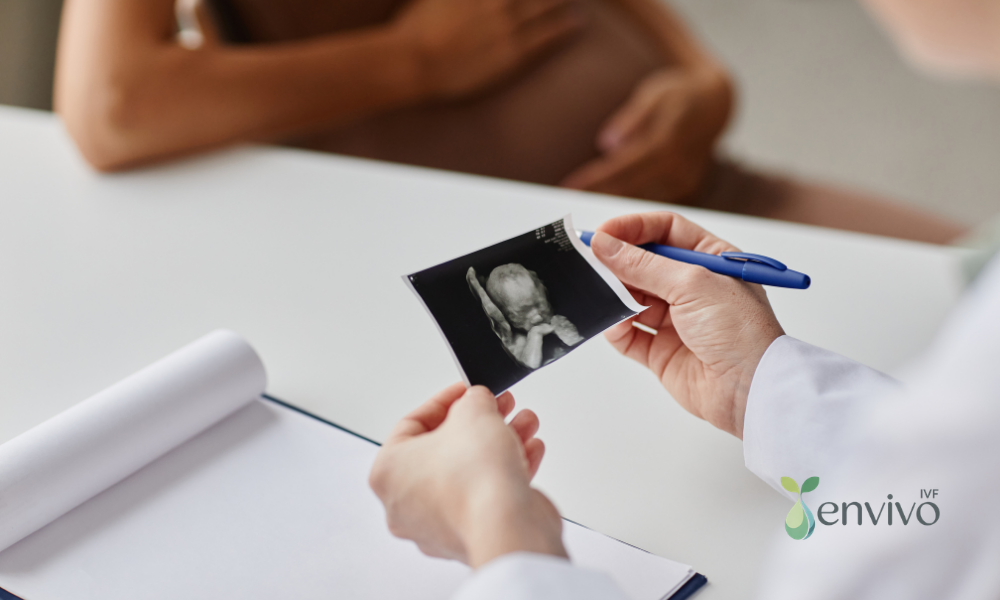
In most cases, symptoms, ultrasound findings, and clinical evaluation are considered together.
During the diagnostic process:
-
Detailed medical history
-
Gynecological examination
-
Ultrasound
-
Advanced imaging methods when necessary
may be used.
In some cases, a definitive diagnosis may be made through surgery; however, this is not necessary for every patient.
Does Endometriosis Prevent Pregnancy?
This is one of the most common questions among women diagnosed with endometriosis.
Endometriosis does not prevent pregnancy, but it can make it more difficult for some women.
Endometriosis:
-
Ovarian function
-
The mobility of the fallopian tubes
-
The uterine environment
may reduce the chances of pregnancy. However, many women can still conceive—either naturally or with medical support—despite having endometriosis.
The Relationship Between Endometriosis and In Vitro Fertilization (IVF)
Not every woman diagnosed with endometriosis requires IVF treatment.
However, in some cases, IVF can become an important option.
Especially in cases where:
-
Pregnancy has not been achieved for a long time
-
The fallopian tubes are affected
-
Ovarian reserve is reduced
-
Other treatments have not been successful
IVF may be considered as a treatment option.
IVF planning in patients with endometriosis must be carried out very carefully and tailored to the individual.
Can Endometriosis Be Treated?
Endometriosis is not a condition that can be completely “eliminated.”
However, its symptoms can be effectively managed and controlled.
The treatment approach depends on:
-
The severity of symptoms
-
The extent of the disease
-
Whether there is a desire for pregnancy
is determined accordingly.
The main goals are:
-
To reduce pain
-
To improve quality of life
-
To preserve or support fertility
When Should You Seek Specialist Support?
Evaluation is important in the following situations:
-
If there are severe and progressively worsening menstrual cramps
-
If the pain is affecting daily life
-
If pain is experienced during sexual intercourse
-
If pregnancy has not occurred for a long time
Early evaluation helps make it easier to manage both pain and fertility-related issues.
Next Step
Endometriosis is often a condition that progresses silently but can be effectively managed with the right information.
The key is not to underestimate the symptoms and to seek support at the right time.
The Envivo IVF consulting approach aims to simplify complex conditions like endometriosis by creating a personalized and well-informed treatment roadmap.