Differences Between IUI and IVF: Which Fertility Treatment Is Right for You?
For couples experiencing difficulties in conceiving, one of the most important questions is:
Should we choose IUI or IVF?
Thanks to modern assisted reproductive technologies, many couples today are able to achieve their dream of parenthood. However, selecting the most suitable treatment depends on several factors, including age, medical history, the underlying cause of infertility, and time considerations.
At Envivo IVF Consultancy, our goal is not to direct you toward a specific treatment, but to help you make the most accurate and personalized decision based on scientific evidence and your individual needs.
In this comprehensive guide, we explain the differences between IUI and IVF, including success rates, advantages, disadvantages, and treatment suitability.
What Are Assisted Reproductive Technologies (ART)?
Assisted Reproductive Technologies (ART) are modern medical treatments used when pregnancy cannot be achieved naturally.
The two most commonly used methods are:
- Intrauterine Insemination (IUI)
- In Vitro Fertilization (IVF)
Both treatments aim to increase the chances of pregnancy; however, they differ significantly in terms of procedure, level of intervention, and success rates.
What Is IUI (Intrauterine Insemination)?
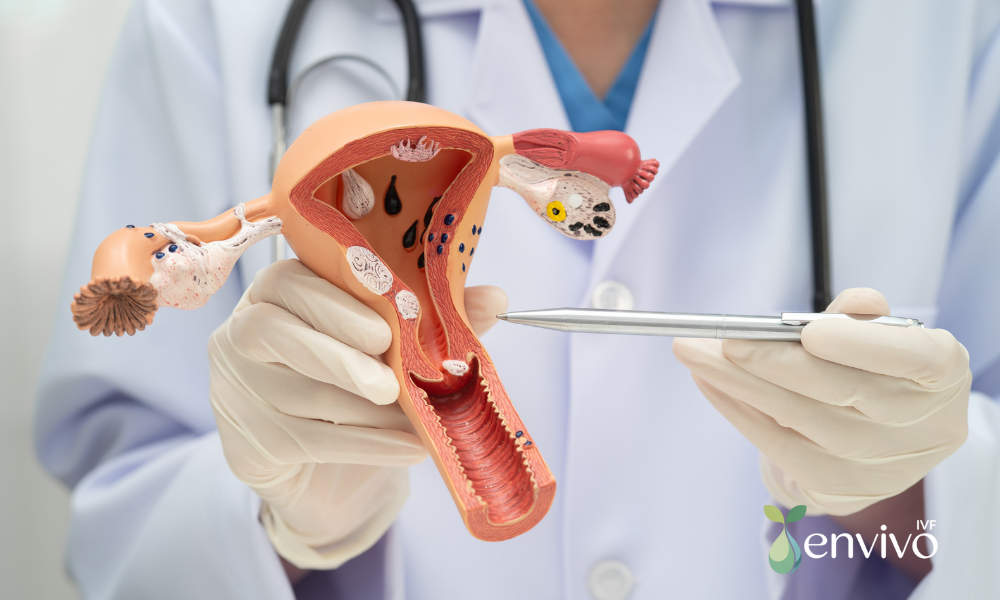
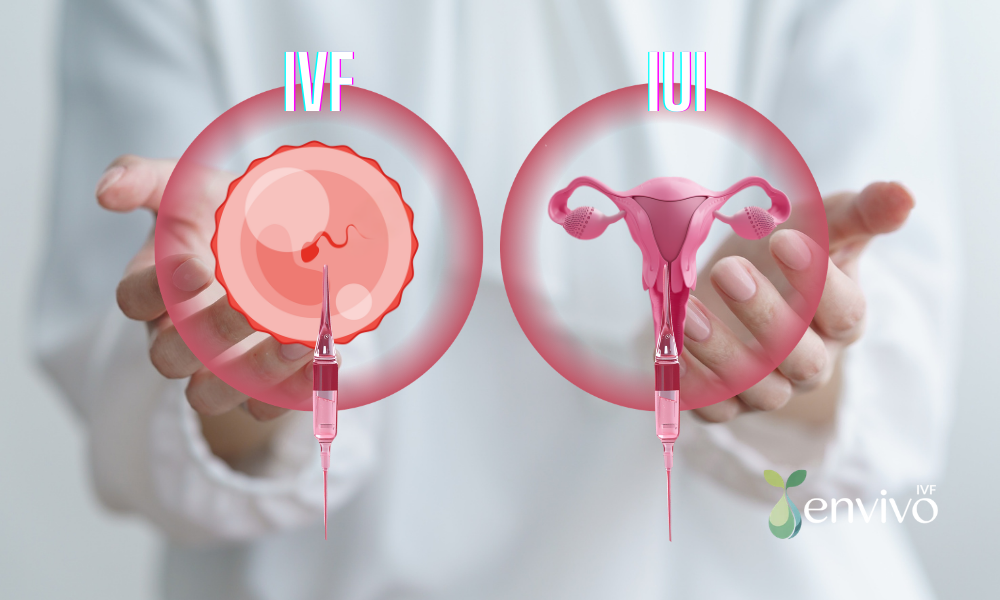
IUI is a fertility treatment in which specially prepared and highly motile sperm are placed directly into the uterus during ovulation.
In this method, fertilization occurs naturally inside the woman’s body. The goal is to shorten the distance sperm must travel to reach the egg and thereby improve the likelihood of fertilization.
IUI is generally considered a first-line treatment option for milder fertility cases.
How Does the IUI Process Work?
- Ovulation Monitoring
The woman’s ovulation cycle is closely monitored through ultrasound and hormone testing. In some cases, ovulation-stimulating medications may be used.
- Sperm Preparation
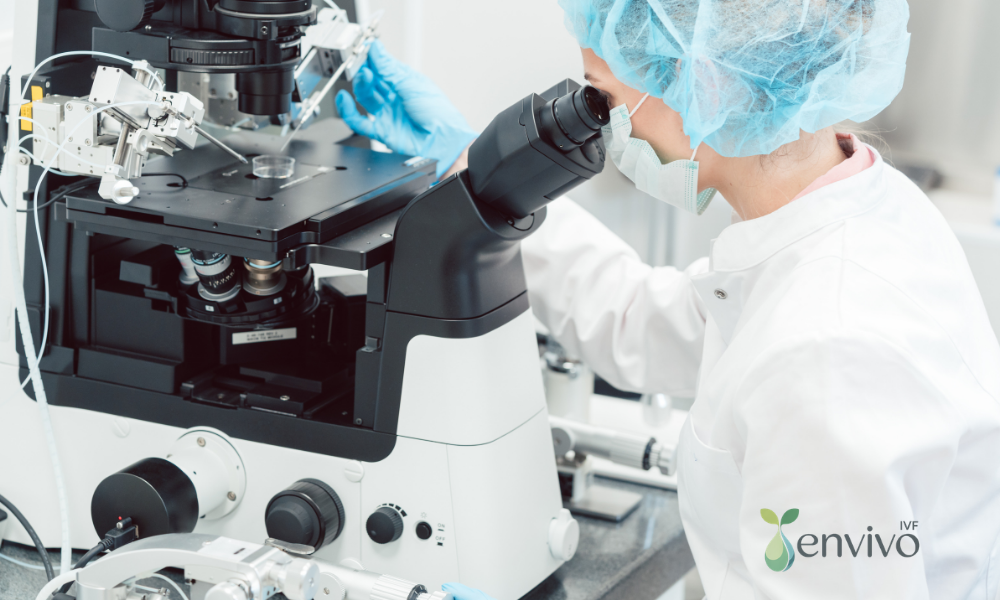
The sperm sample is processed in the laboratory to select the healthiest and most motile sperm cells.
- Insemination Procedure
The prepared sperm is placed directly into the uterus using a thin catheter. The procedure is typically painless and takes approximately 5–10 minutes.
Patients can usually return to their normal daily activities on the same day.
Who Is IUI Suitable For?
IUI is generally recommended in the following situations:
- Unexplained infertility
- Mild male factor infertility (slightly low sperm count or motility)
- Cervical mucus problems
- Women under the age of 35
- Patients with open fallopian tubes
- Cases involving donor sperm
What Is the Success Rate of IUI?
The success rate of IUI is approximately:
- 10–20% per treatment cycle
Success rates may decline with increasing age.
Evaluation is usually recommended after 2–3 unsuccessful attempts.
The outcome largely depends on the woman’s age, ovarian reserve, and sperm quality.
Advantages of IUI
✔ Less invasive
✔ No surgical procedure required
✔ More cost-effective compared to IVF
✔ Lower physical and emotional burden
✔ Shorter treatment duration
Disadvantages of IUI
- Lower success rates compared to IVF
- Multiple attempts may be required
- May not be sufficient in moderate to severe infertility cases
What Is IVF (In Vitro Fertilization)?
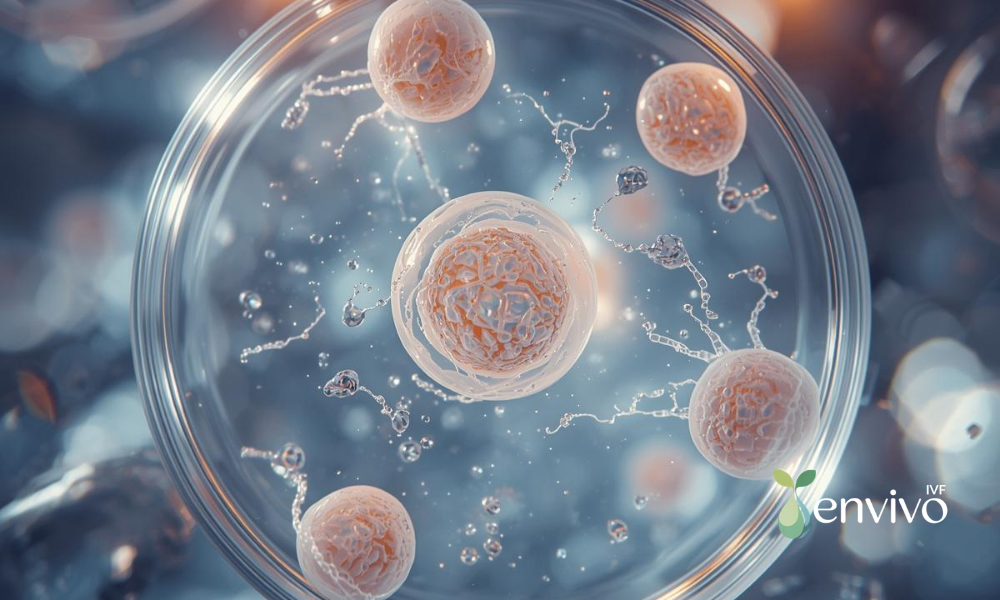
IVF (In Vitro Fertilization) is an advanced assisted reproductive technique in which fertilization takes place in a laboratory environment.
In this process:
- The ovaries are stimulated with medication in a controlled manner
- Multiple eggs are retrieved
- Eggs are fertilized with sperm in the laboratory
- The healthiest embryo is selected and transferred into the uterus
IVF generally offers higher success rates, especially in moderate to severe infertility cases.
IVF Process Step by Step
- Ovarian Stimulation
Personalized hormone protocols are used to obtain multiple mature eggs.
- Egg Retrieval (OPU)
Performed under mild sedation with ultrasound guidance.
- Fertilization and Embryo Development
The eggs are fertilized with sperm, and embryo development is monitored for 3–5 days.
- Embryo Transfer
The highest-quality embryo is transferred into the uterus.
Who Is IVF More Suitable For?
- Blocked fallopian tubes
- Severe male factor infertility
- Women over the age of 35
- Endometriosis
- Repeated unsuccessful IUI attempts
- Couples with genetic disease risks requiring PGT
IVF Success Rates
IVF success rates vary depending on age:
- Under 35 years old: 50–60%
- Between 35–40 years old: 35–45%
- Over 40 years old: rates gradually decline with age
Success is closely related to embryo quality, uterine conditions, and laboratory technology.
Key Differences Between IUI and IVF
| Feature | IUI | IVF |
|---|---|---|
| Level of Intervention | Low | High |
| Success Rate | 10–20% | 40–60% |
| Cost | Lower | Higher |
| Duration | Short | 4–6 Weeks |
| Suitable For | Mild Cases | Moderate–Severe Cases |
| Embryo Selection | No | Yes |
Which Treatment Is Right for You?
Treatment decisions should always be personalized. The following factors play a major role:
Age Factor
If you are under 35, IUI may be considered as an initial option.
If you are over 35, IVF may provide a more effective and time-efficient approach.
Cause of Infertility
If the fallopian tubes are blocked, IUI will not be effective, and IVF becomes necessary.
Time Planning
If achieving pregnancy quickly is a priority, IVF may be preferred.
Budget Considerations
IUI is initially more affordable, but repeated attempts may increase overall costs.
Conclusion: The Right Decision Begins With the Right Information
There is no single “best” treatment option for everyone when comparing IUI and IVF.
The most appropriate treatment should be determined based on:
✔ Your medical findings
✔ Your age
✔ Your timeline
✔ Your budget
✔ Your emotional and psychological readiness
At Envivo IVF, we are here to support you in making a confident, informed, and safe start to your fertility journey.